2026-閉關訓練營心得
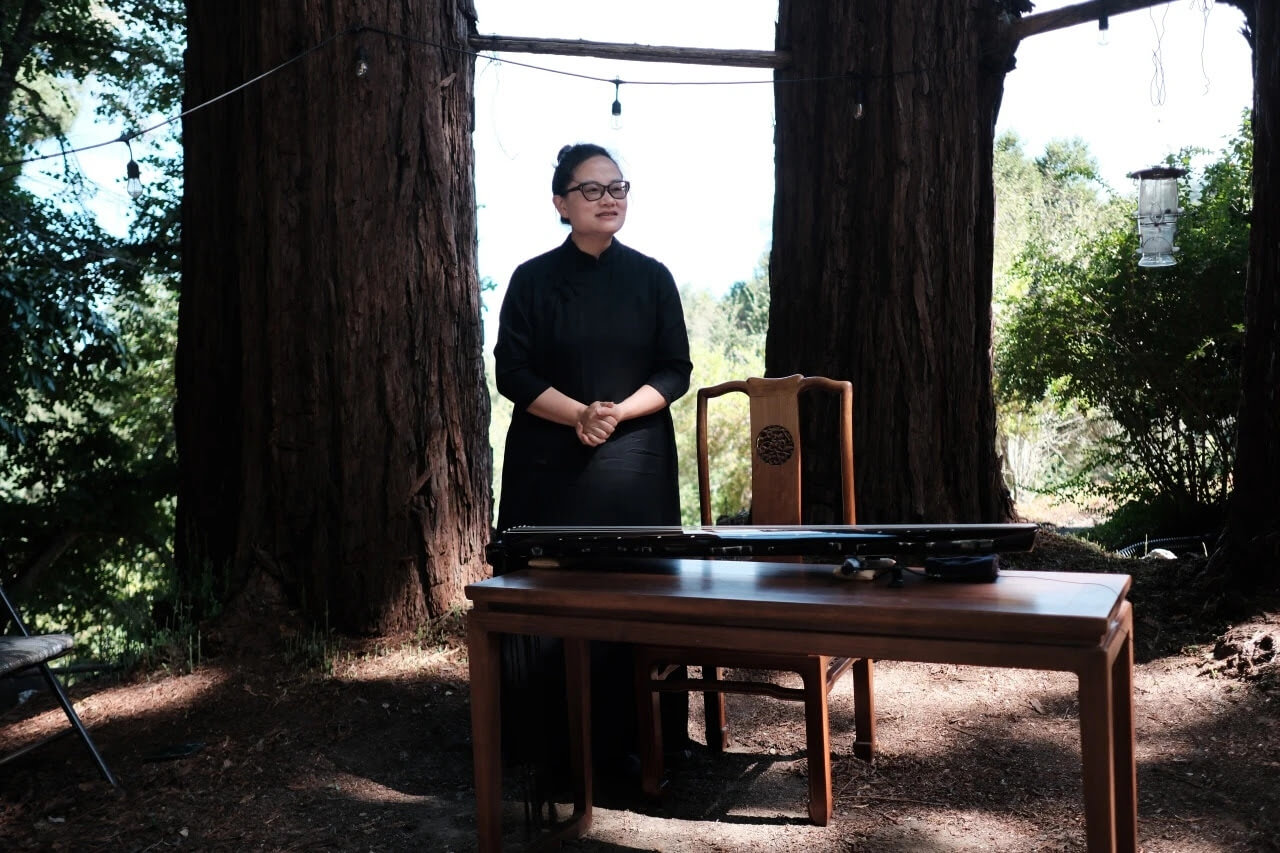
二〇二六年八月,巫娜老師在縵學堂美國閉關訓練營中,與同學們共同度過了一段安靜而專注的古琴學習時光。
遠離日常生活的喧囂,練琴不再只是為了完成一首曲子,而成為重新認識聲音、認識身體,也重新認識自己的過程。
古琴學習不在於快,而在於是否真正聽見了眼前的聲音。一個音、一句話、一個簡單的指法,都值得反覆體會。慢下來,不是停滯,而是讓注意力更加集中,讓身體與聲音逐漸建立起自然的聯繫。
它沒有複雜的技巧,也沒有刻意追求高深的理論,而是從最基本的一個聲音出發,回到古琴最本真的狀態:聽見它,理解它,把它彈好。
也許,真正的古琴學習,就是從願意認真對待每一個音開始。
閲讀詳情
Learning to Listen: A Guqin Retreat with Wu Na
In August 2026, guqin master Wu Na led an intensive retreat at Man Academy in the United States, sharing a quiet and focused period of guqin study with her students.
Away from the noise of everyday life, practicing the guqin became more than learning a piece of music. It became a way to rediscover sound, the body, and oneself.
Guqin learning is not about speed, but about truly listening. Every note, phrase, and simple finger movement deserves time and attention. Slowing down allows the body and sound to develop a natural connection.
True practice begins with one note: listen to how it appears, resonates, changes, and fades away. Gradually, we learn to move from one note to a phrase, from a phrase to a passage, and finally to an entire piece.
The goal of technique is always to return to sound. Finger movements, strength, breathing, and expression are not ends in themselves, but ways to create a sound that is natural, precise, and alive.
When the mind wanders, simply return to the sound. When a difficulty arises, slow down and understand it before moving on. “Slow is fast”—not because we practice less, but because we give each fundamental detail the attention it deserves.
Perhaps true guqin learning begins with something very simple: the willingness to listen carefully to every note.
—Adapted from “Wu Na Guqin”

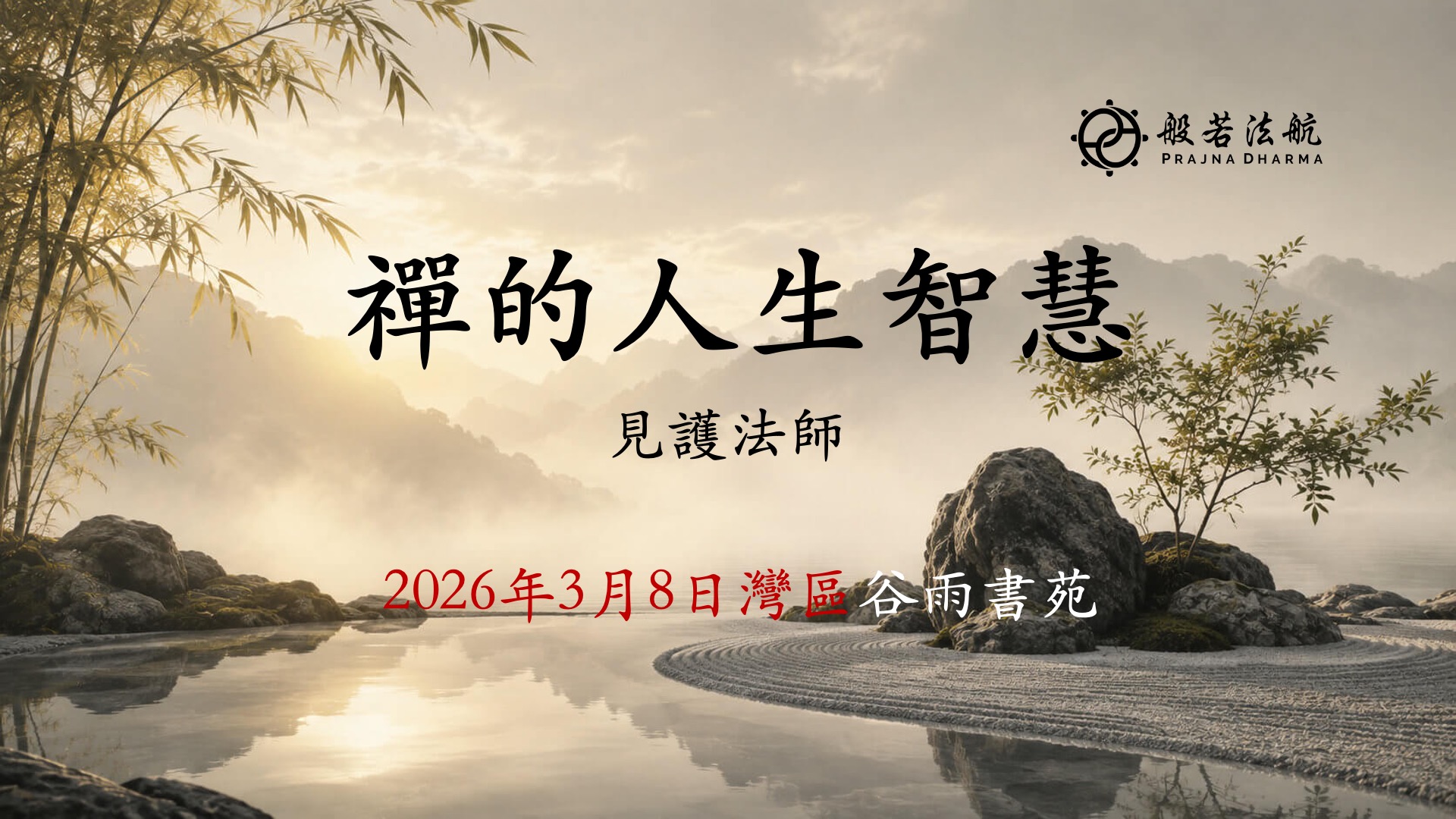 谷雨書苑特邀 般若禪林住持見護法師 以「禪的人生智慧」為題進行開示,近百位科技界、藝文界專家、學者、各界人士、年輕學子來到硅谷亞洲藝術中心,現場聆聽,並有熱烈的現場問答。
「禪者,佛之心」,透過多個公案故事,見護法師娓娓道來,首先講解了「佛」與「禪」的基本概念,繼而深入淺出地闡釋了禪法中所蘊含的深刻而實用的人生智慧,引導大眾在忙碌的現代生活和科技發展中找到內心的安寧與自在。閲讀詳情
At the invitation of Guyu Academy, Jianhu Shifu, Abbot of Prajna Chan Forest Monastery, gave a Dharma talk on “The Wisdom of Zen for Life.” Nearly one hundred experts and scholars from the technology and arts communities, as well as people from various walks of life and young students, gathered at the Silicon Valley Asian Art Center to listen. The talk was followed by an enthusiastic and engaging Q&A session.
“Zen practitioners embody the mind of the Buddha.” Through a series of classic Zen koans and stories, Jianhu Shifu spoke with warmth and clarity. He began by explaining the fundamental concepts of “Buddha” and “Zen,” and then offered an accessible yet profound exploration of the practical wisdom for life contained within Zen teachings. His talk guided the audience toward finding inner peace and ease amid the busyness of modern life and the rapid advancement of technology.




 隨著季節轉換,南瓜與花椰菜正是餐桌上的時令好食材。這道雙色烤白花菜南瓜,經烘烤後帶出食材自然的甘甜與濃郁風味。
花椰菜富含膳食纖維、維生素C及多種植化素,有助於均衡飲食與維持身體健康。南瓜則富含β-胡蘿蔔素、膳食纖維及多種維生素與礦物質。
南瓜性味甘、溫,有健脾和胃之意;花椰菜則清爽甘甜,適合搭配食用,使整道料理在口感與飲食調養上更為平衡。經過烘烤,食材保留原有的色彩與營養,也讓自然的香甜更加突出。