A Cross-Disciplinary Dialogue on Chan and Contemporary Art
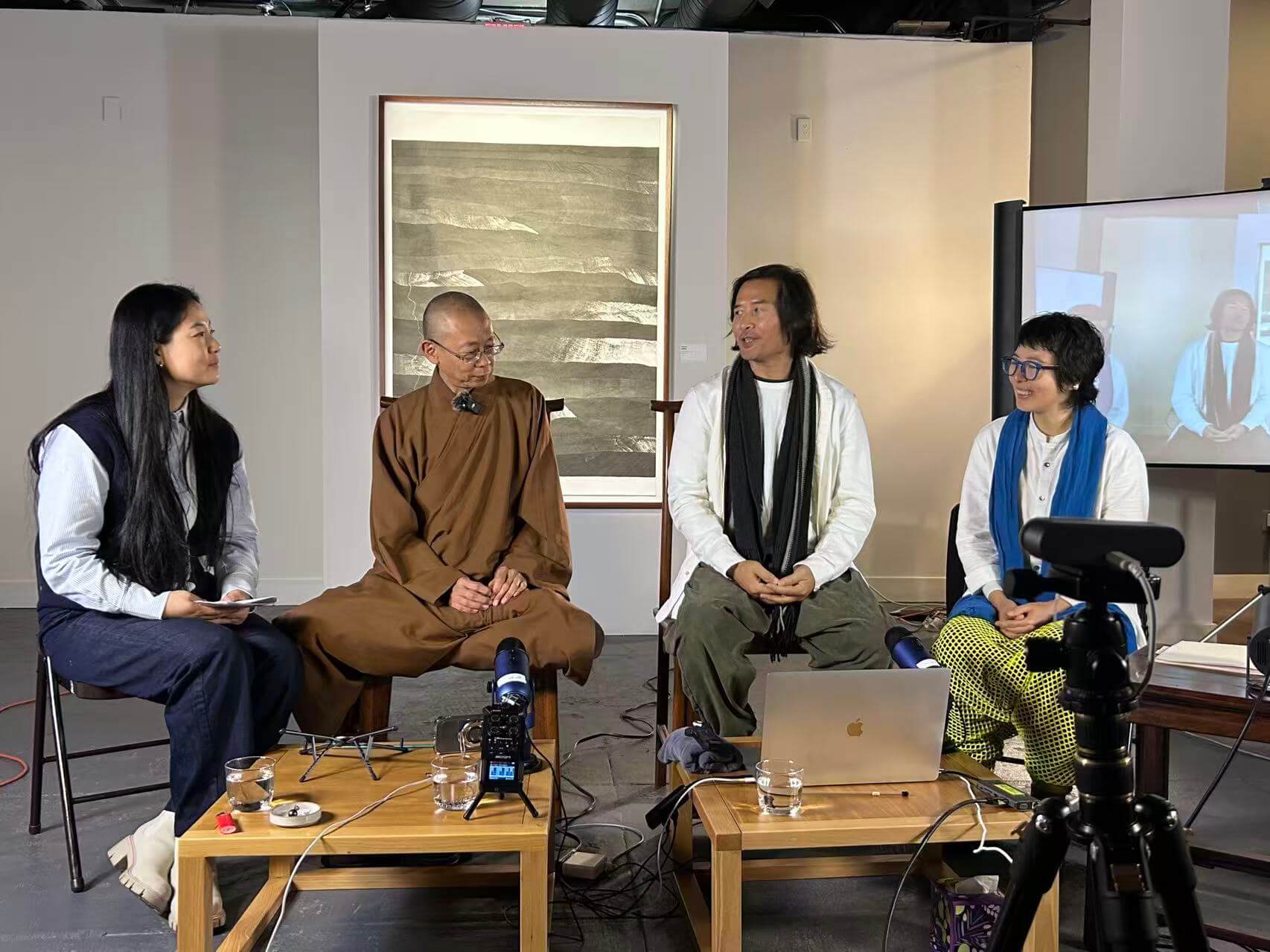
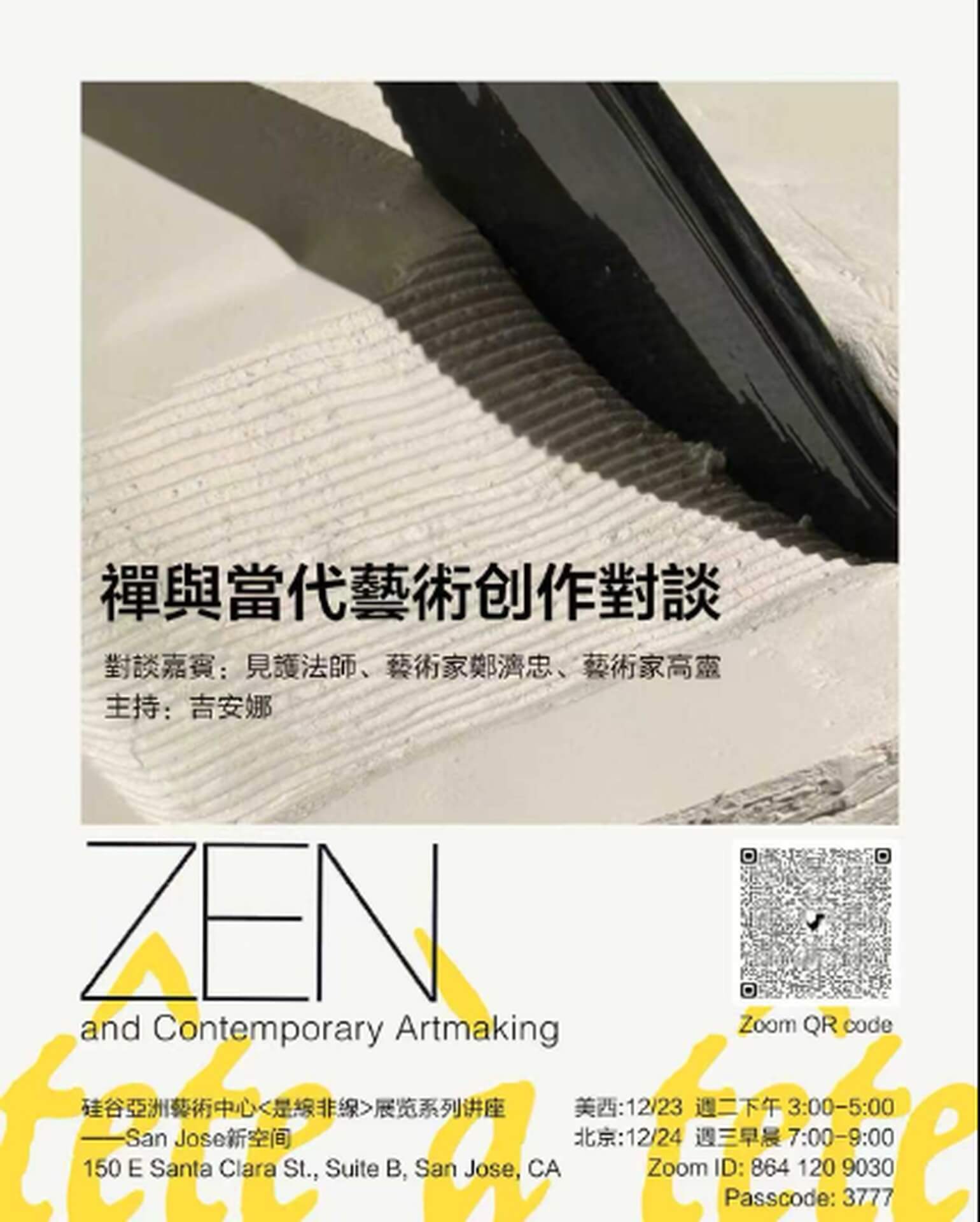
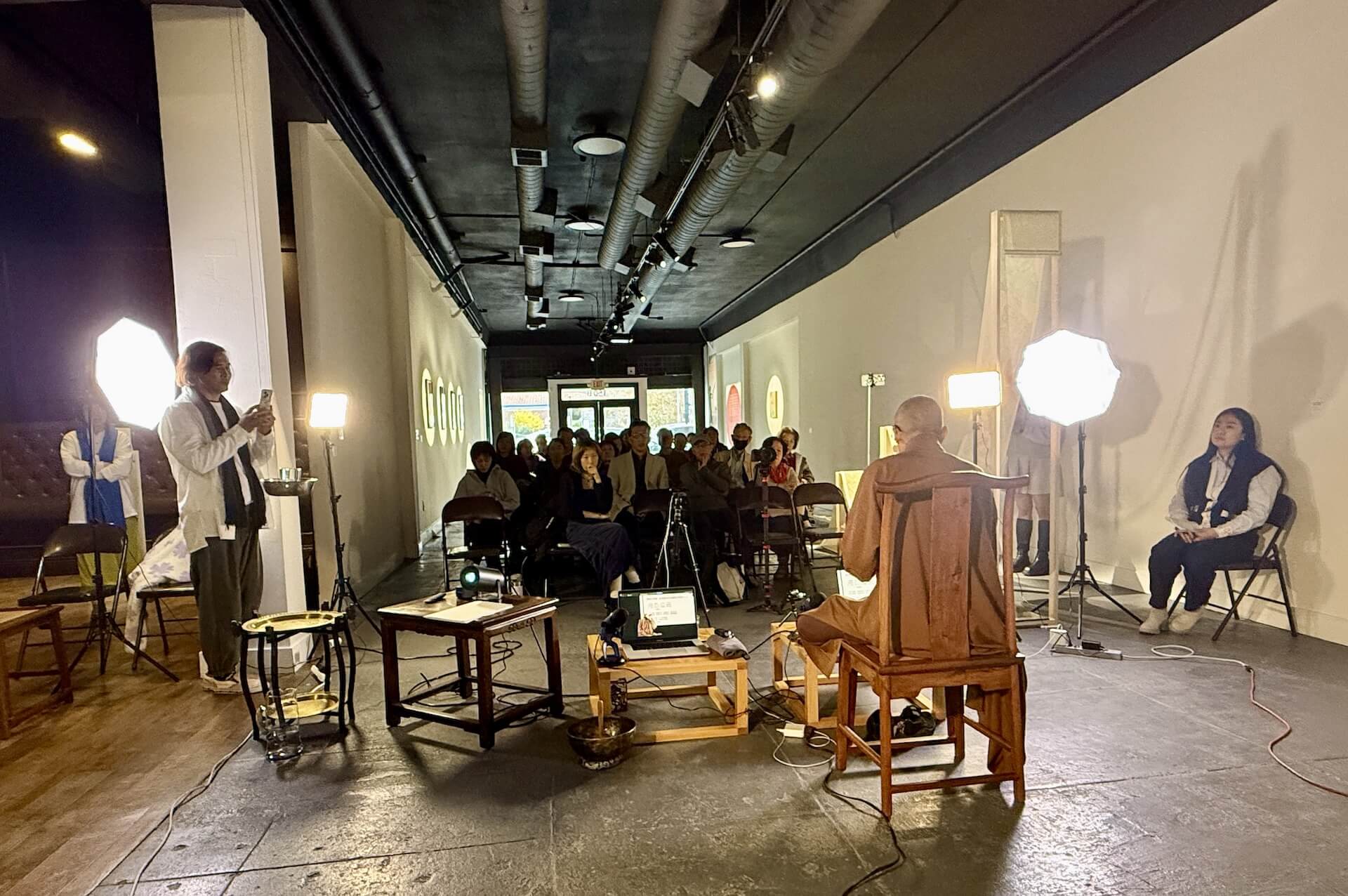
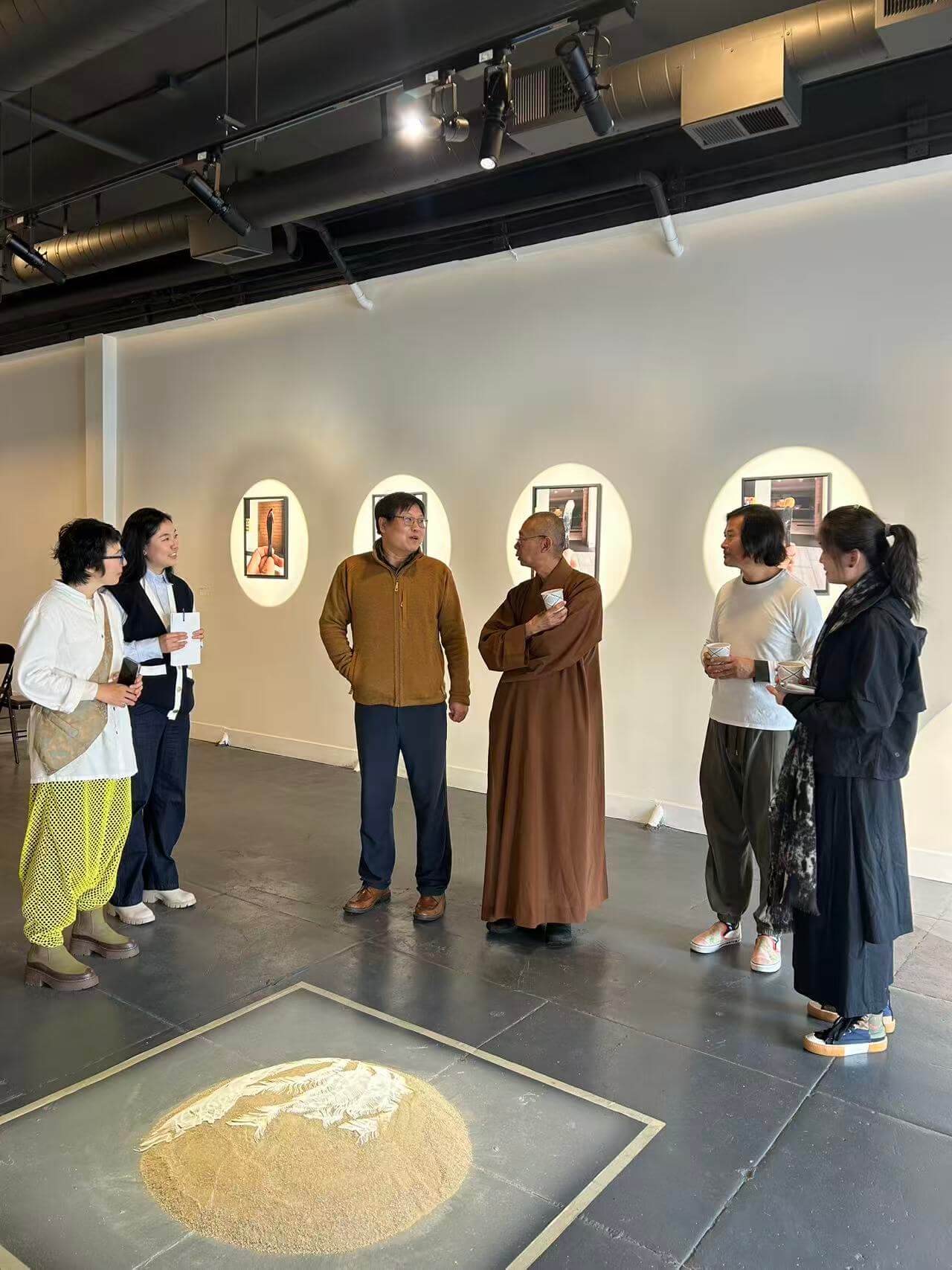
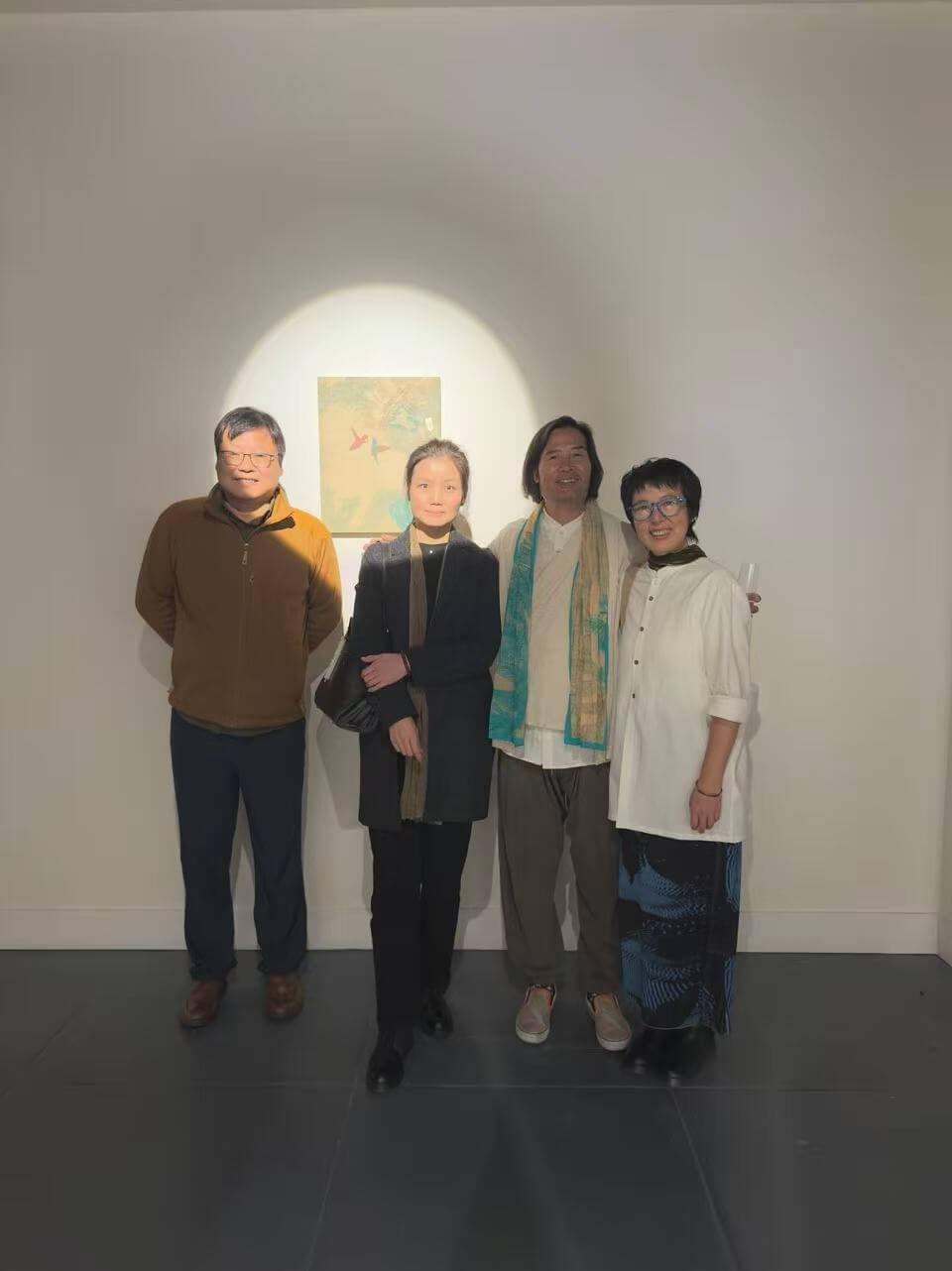
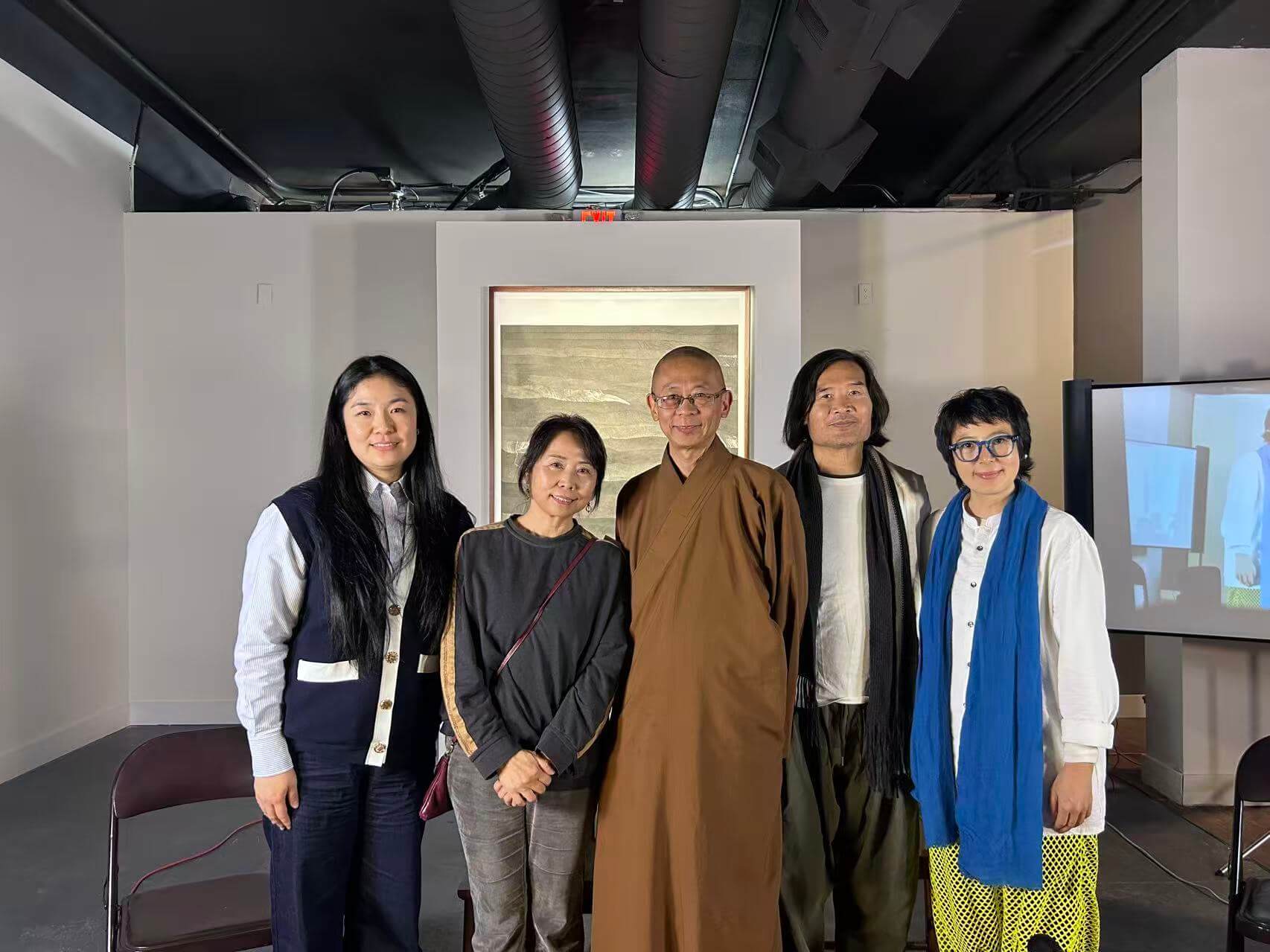
On Tuesday, December 23rd, a unique dialogue on "Chan and Contemporary Art" opened at the Silicon Valley Asian Art Center. The event featured Venerable Jianhu (Jianhu Shifu), Abbot of Prajna Forest Monastery, alongside conceptual artists Michael Zheng and Gao Ling. Bridging the boundaries of contemporary art, Chan practice, with some AI-touch, the event drew nearly a hundred attendees on-site and online, including artists, scholars, and technology professionals from the local community.
Chan and Art: Beyond Symbolism
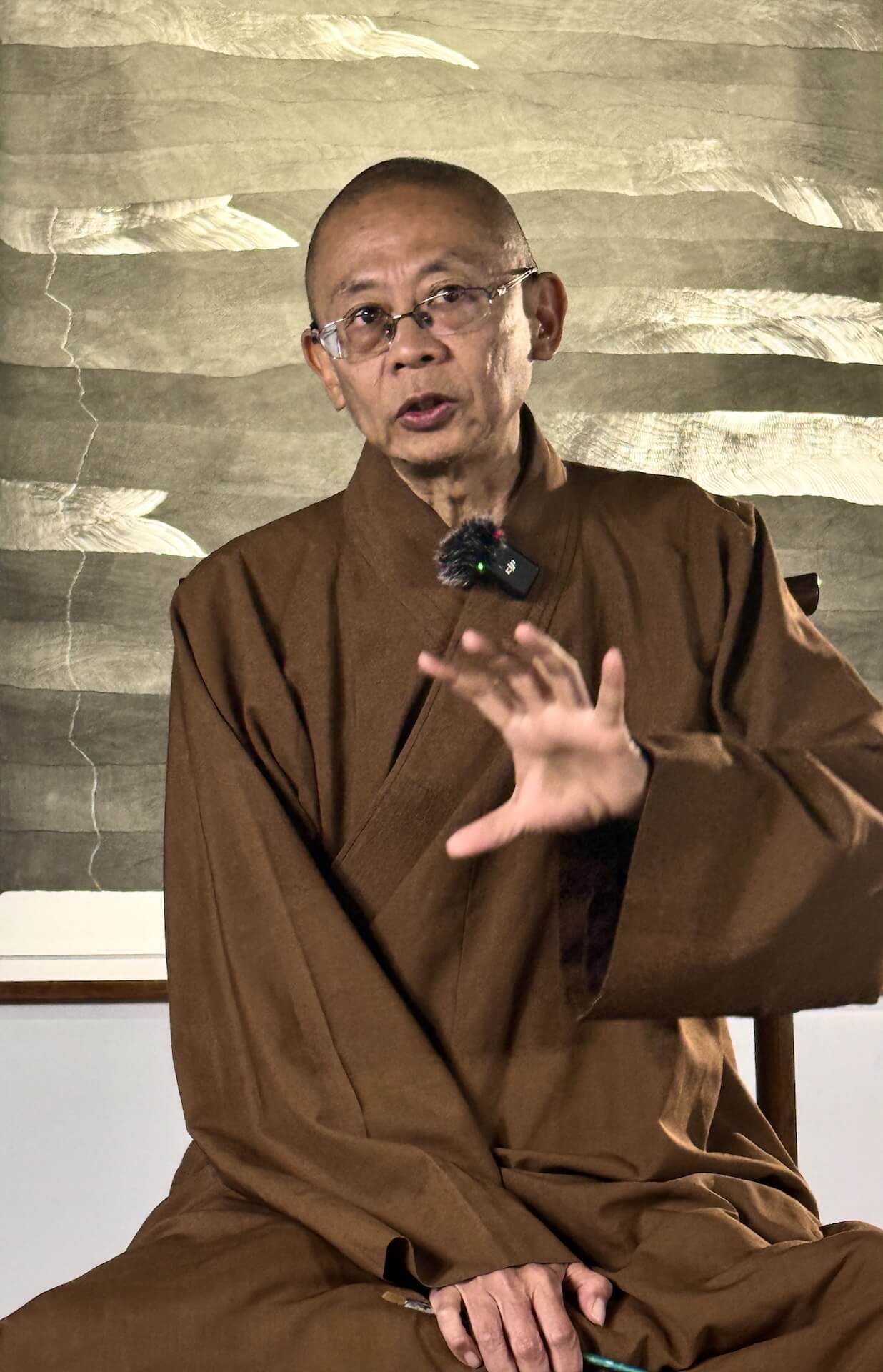
In his opening talk, Jianhu Shifu challenged the traditional perception that often associates Chan Art exclusively with Japanese art, minimalism or the superficial appropriation of symbols. He proposed that Chan Art should contain the following five characteristics:
Core Spirit
: Returning to the "One Mind" of Chan.
Rooted in Practice
: Grounded in the artist’s understanding of Dharma and first-hand meditation experience.
Cross-Disciplinary
: Engaging in cross-cultural and cross-field dialogues.
Integration With Everyday Life
: Deepening experience through mindfulness in ordinary, everyday tasks.
Bodhisattva Ideal
: Eventually embodying the spirit of benefiting oneself and others.
Jianhu Shifu emphasized that Chan Art is not merely about transplanting Buddhist or Chan symbols into artwork. In fact, Chan should be rooted in the artist's direct Chan experiences; only then can true "Chan Art" be created. Jianhu Shifu also expressed his willingness to hold Chan meditation workshops for people from all fields at the Prajna Forest Monastery.
AI, Art and Wisdom
Following Shifu’s talk, a panel discussion is held among Jianhu Shifu, Michael Zheng and Gao Ling. All three speakers possess degrees in science and engineering. Jianhu Shifu, who holds a Ph.D. in Neural Networks (AI) from UCSD and studied at Caltech, offered a piercing perspective on the current AI boom.
He noted that while cause-and-effect logic is the foundation of science, the Buddha was the ultimate "Scientist of the Mind." Addressing whether AI could replace spiritual practice, Venerable Jian Hu elaborated on "knowing”, "consciousness", “awareness” and “mindfulness”. He stated, "AI is a powerful tool for collecting and organizing information, but information is not wisdom." While AI and technology can be useful tools in our Buddhist study and even in Chan meditation (such as an App for tracking and analytics), it cannot practice for you, nor can it grant inner peace or liberation.
Continuity and Similarities
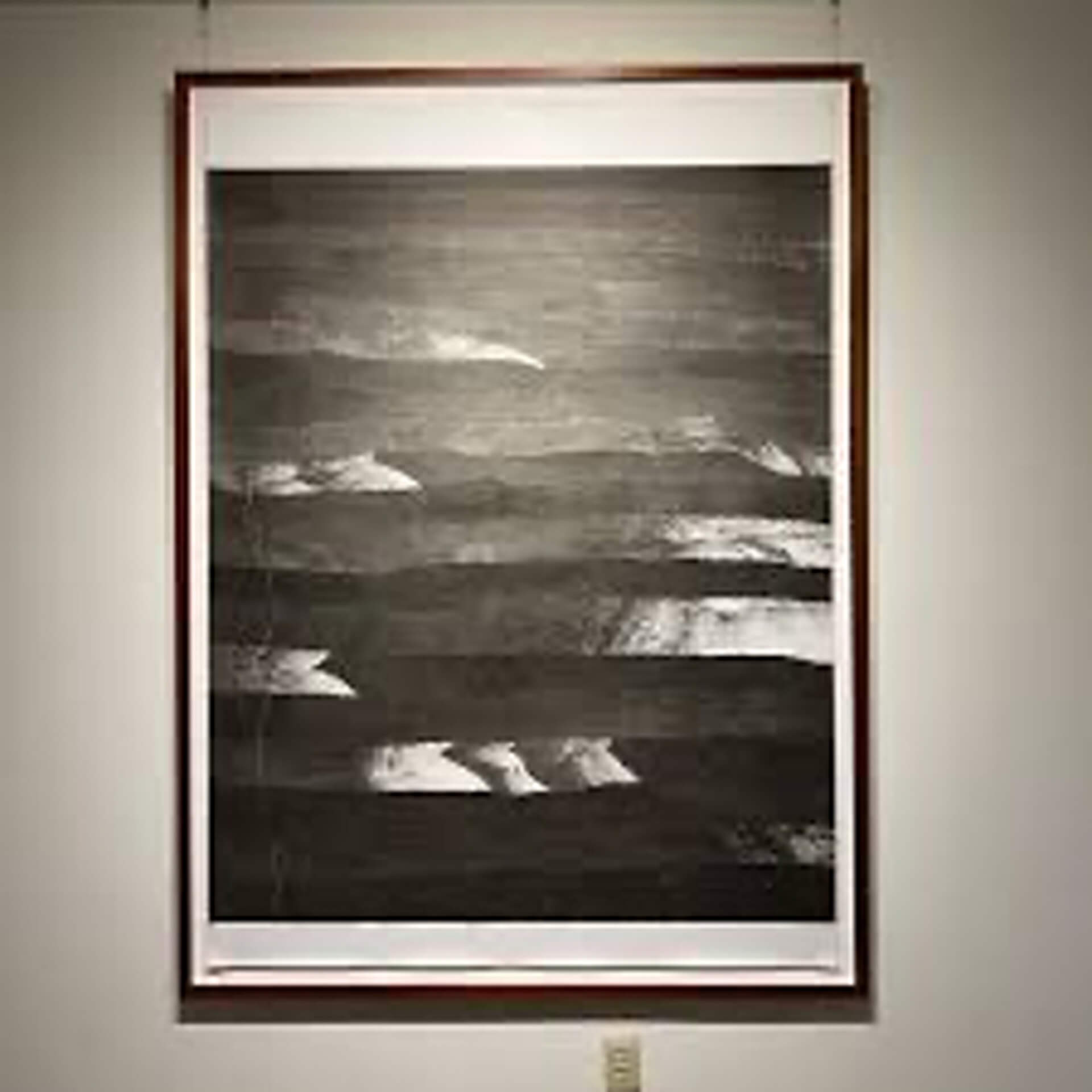
The dialogue delved deeply into Michael Zheng’s line-drawing series, specifically a large centerpiece. The artist’s idea was simple: draw one line, then copy it repeatedly, with natural slight variations, but without a preconceived overall composition, focusing only on the current stroke.
Jianhu Shifu interpreted this through the Buddhist concept of "Succession of similar moments" (相似相續). "Our thoughts are similar from moment to moment, constituting our habits and personality," he explained. "But similarity means there is minute variation each moment. With successive lines, there are minute variations, which mimics our thought-stream process. When the ink runs dry and the line breaks, it is like a 'turn of thought' in life. Based on past habits, a single decision in the present moment can change the entire trajectory of one's life." This interpretation transformed an abstract drawing into a map of mental flow, illustrating how art creation can be a contemplation of the nature of our mind.
Chan Meditation in Daily Life
Concluding the dialogue, Jianhu Shifu emphasized that Chan practice is not limited to sitting in a meditation hall or the focused process of artistic creation. It begins with the minutiae of daily life. Whether brushing one’s teeth or having a meal, every action can be done with "right mindfulness", turning ordinary activities into a Chan practice.
This event fused traditional Buddhist wisdom with contemporary art, and ancient Chinese philosophy with modern technology. As Jianhu Shifu noted, life is like peeling an onion; every layer is the onion; likewise, everyday, each moment, is life itself. Rather than waiting for an ideal future, Chan teaches us to live fully in the present, aware of the “succession of similar moments”, which opens the gate toward enlightenment.