NEW TAIPEI CITY
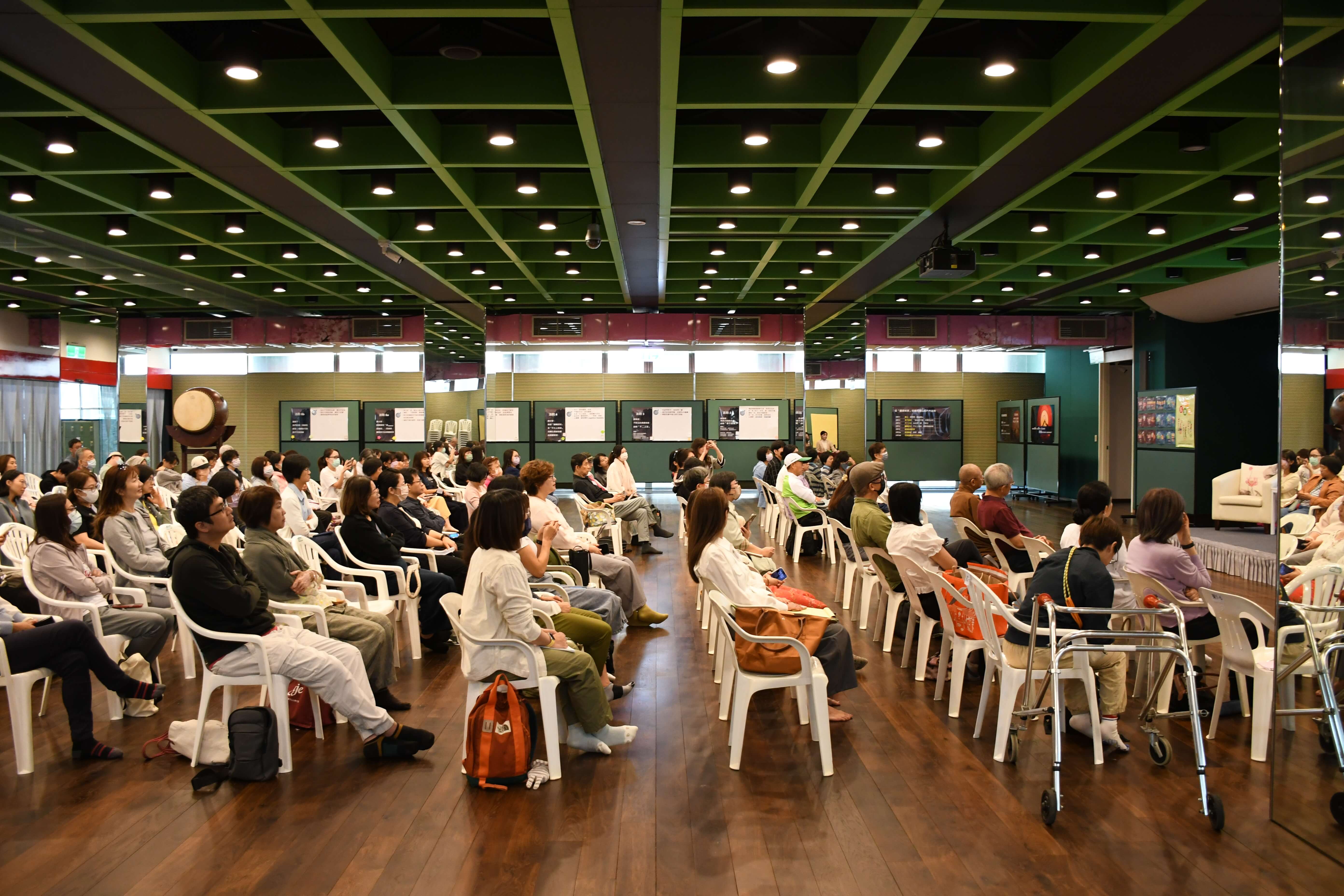
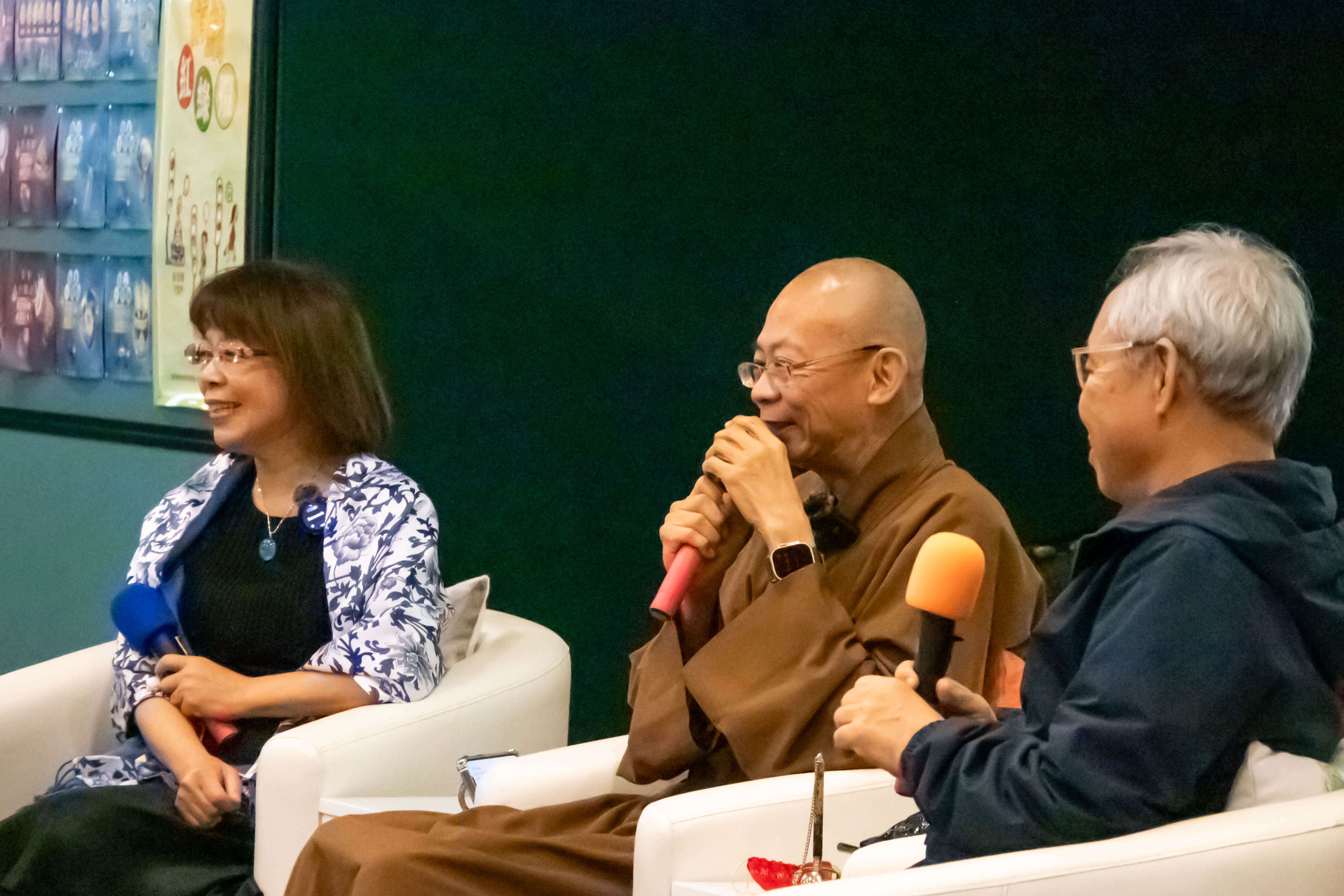
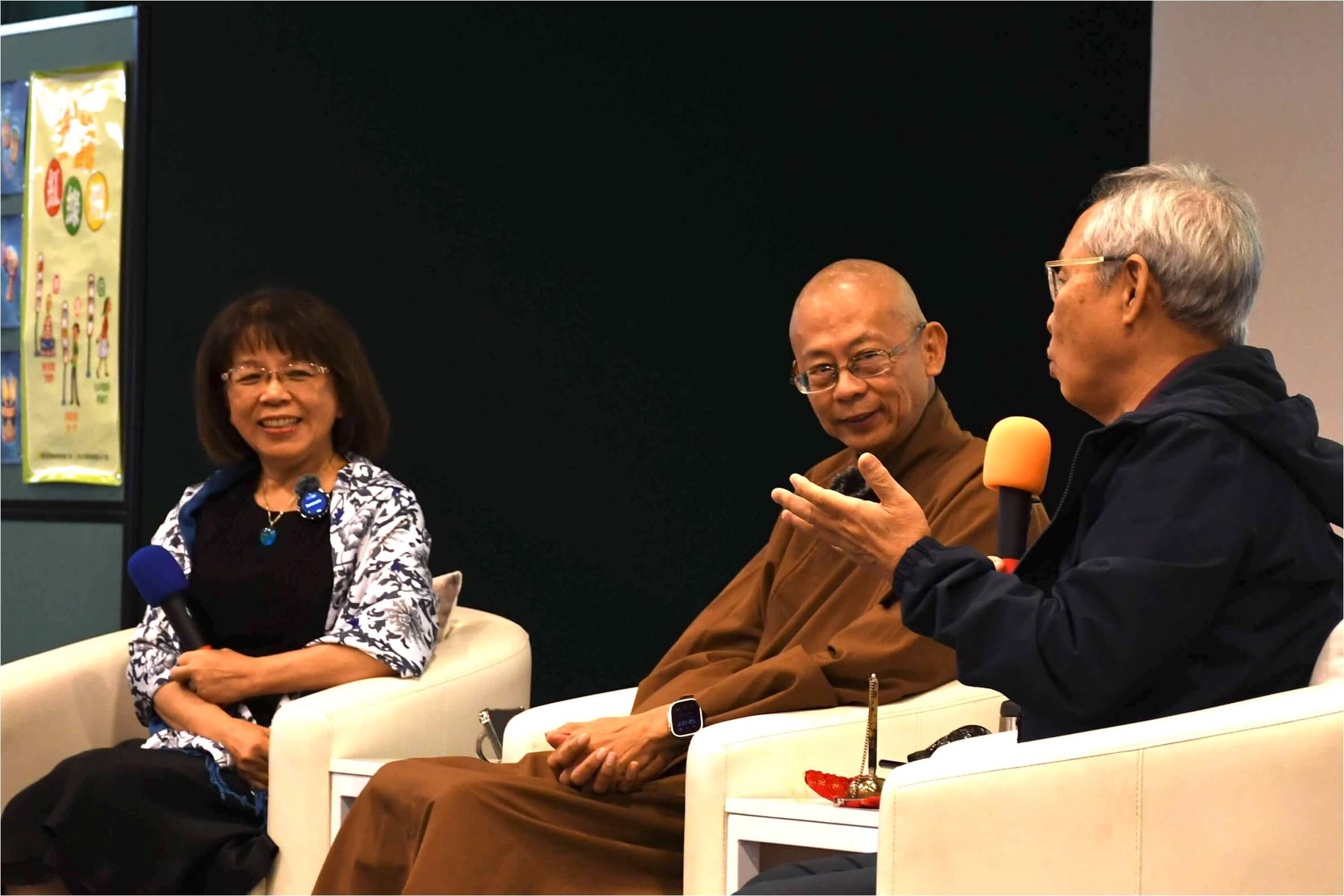
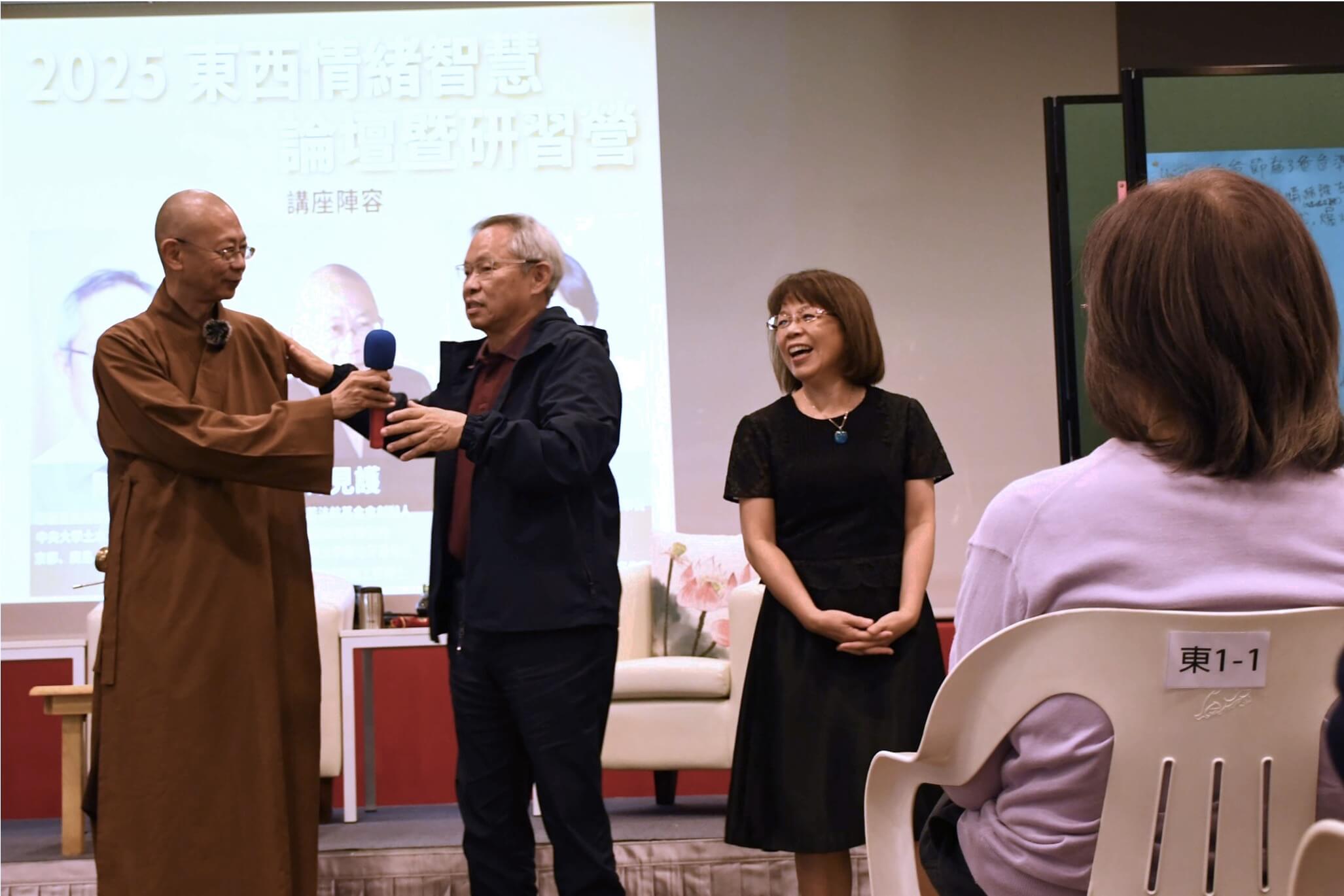
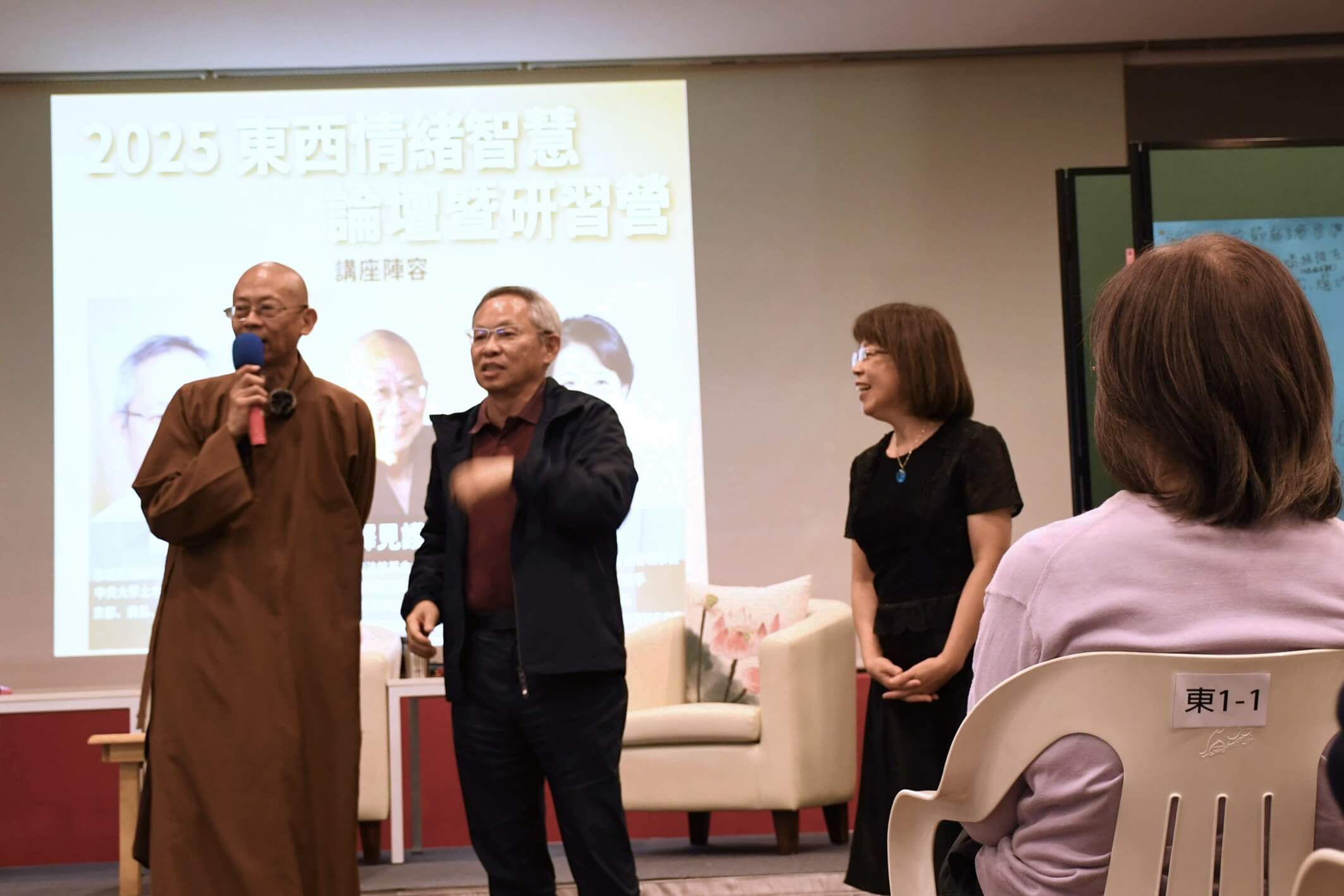
On November 8, 2025, the "East-West Emotional Intelligence Forum and Workshop" was convened at the Banqiao Longshan Culture Square. This landmark event featured a cross-disciplinary dialogue between
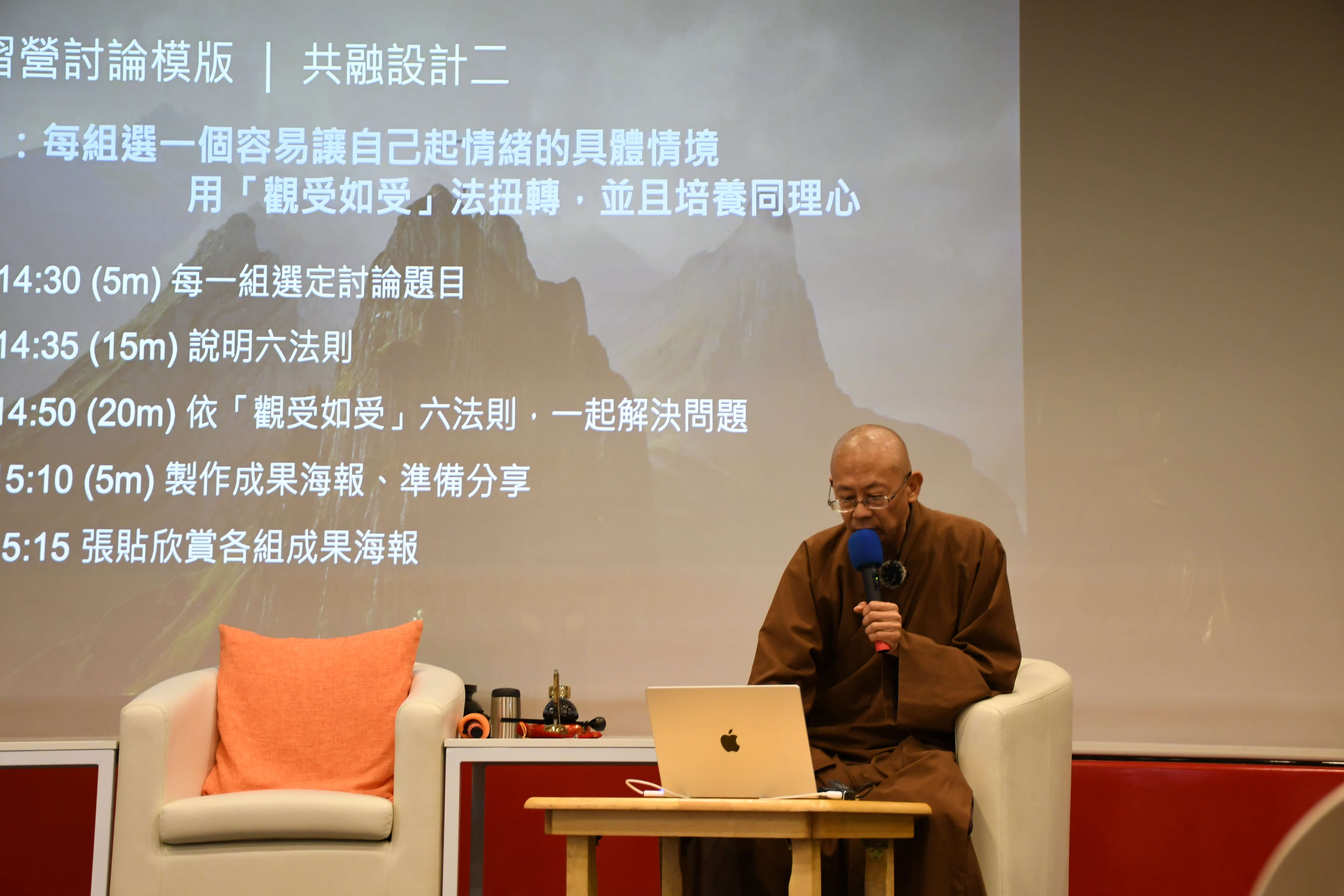
Venerable Master Jian Hu (見護法師)
, Abbot of Prajna Forest Monastery, and leading Social-Emotional Learning (SEL) experts
Yang Li-rong (楊俐容)
and
Dr. Chen Hui-tzu (陳慧慈)
from the Taiwan Xinfuli Emotional Education Association.
The forum centered on the synthesis of Western psychological frameworks and Eastern contemplative traditions. Yang and Chen presented decades of empirical data and field experience in Taiwan’s elementary educational system, emphasizing the systematic identification of emotional "tags" and behavioral transformation. Master Jian Hu complemented this with the Buddhist "Four Foundations of Mindfulness," offering a profound ontological perspective on the source of emotional fluctuations.
Core Themes and Insights:
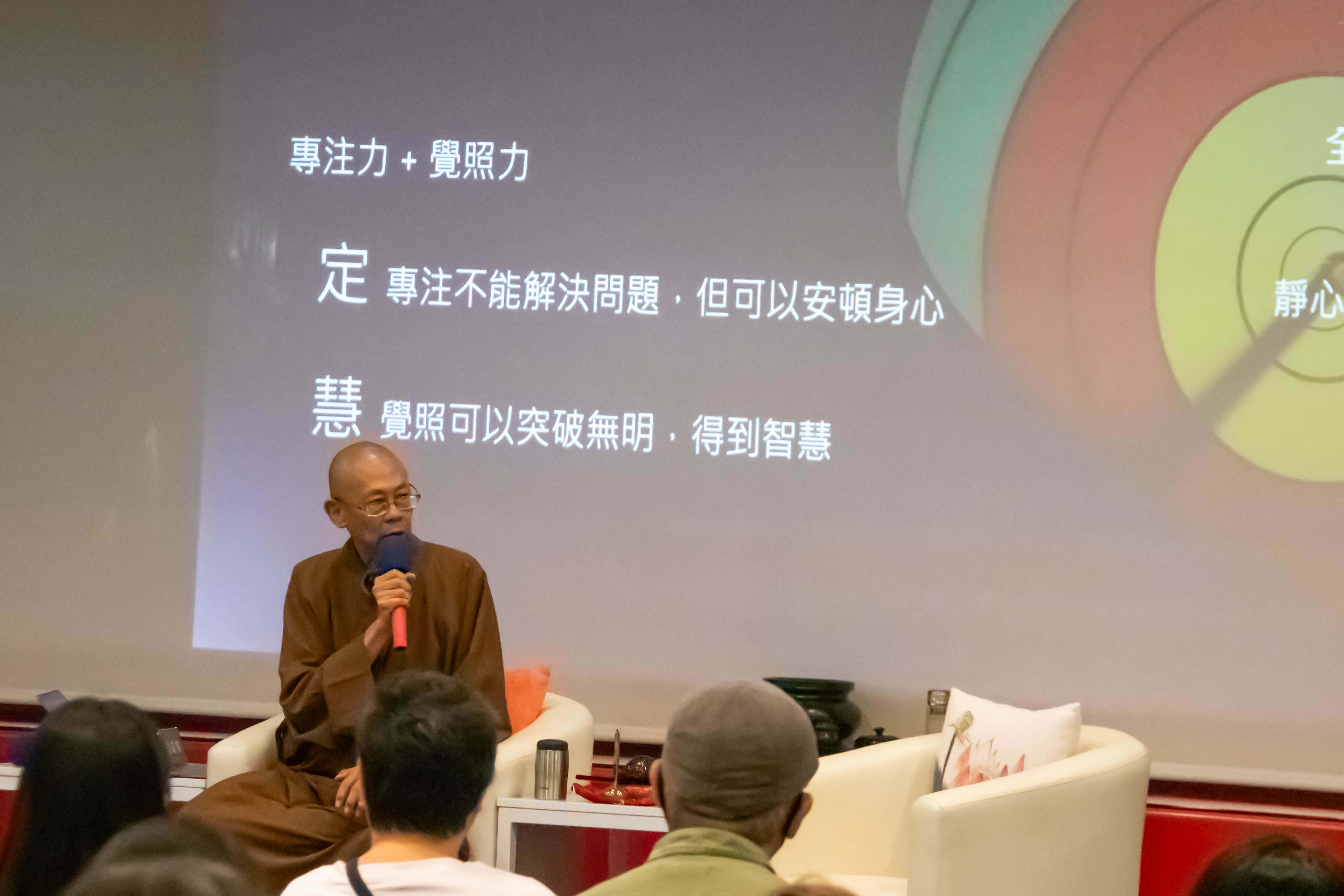
The presentation and dialogue focused on the common threads and insights to be shared from the East-West psychology exchange. Ven. Jianhu emphasized that the Buddhist teaching of “Mindfulness of Feeling” provided a solid theoretical framework to understand the origin of emotional issues, while western psychology accumulated valuable, well-documented clinical and experiential data on dealing with emotional management and issues. Thus this type of East-West dialogue is extremely valuable for both.
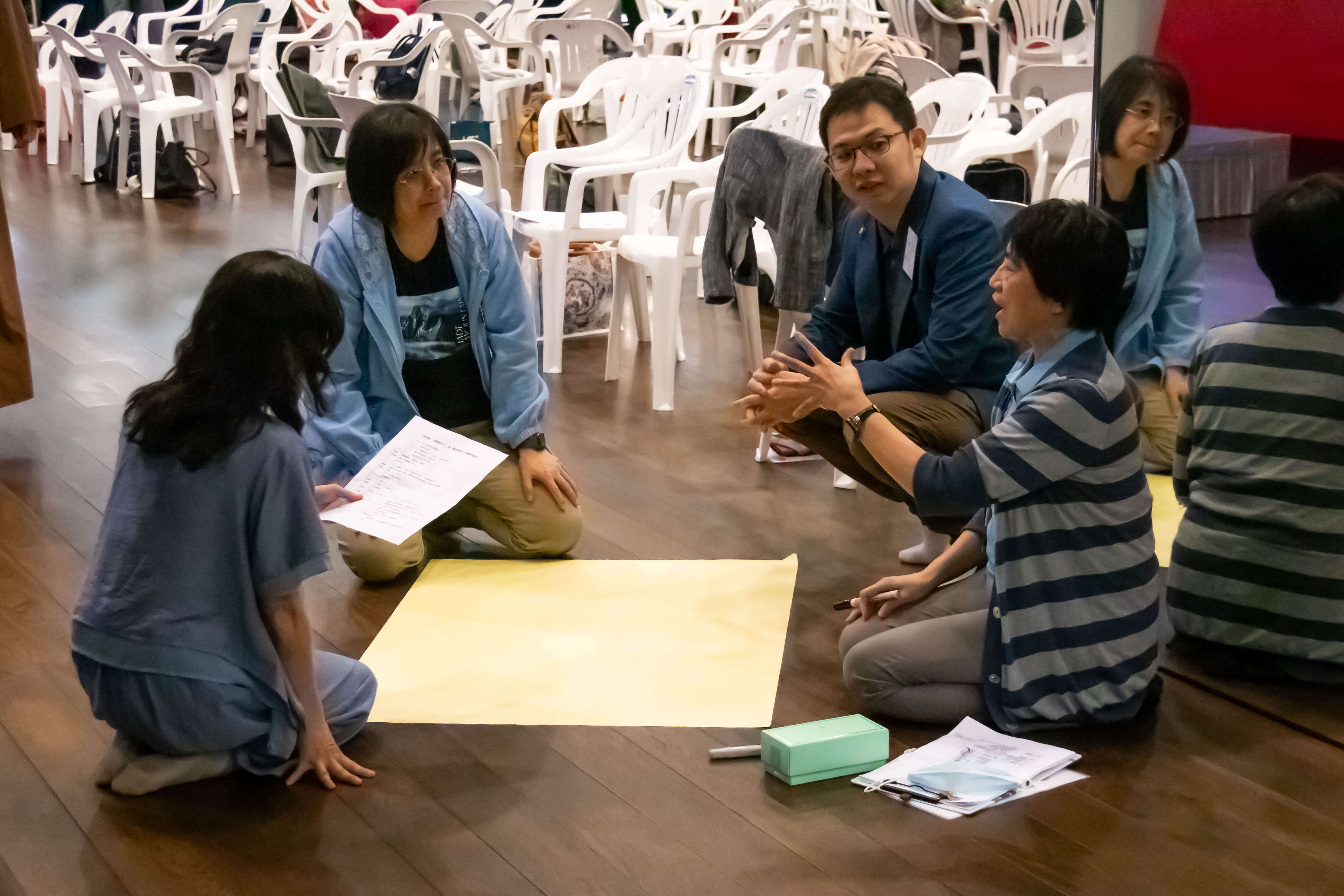
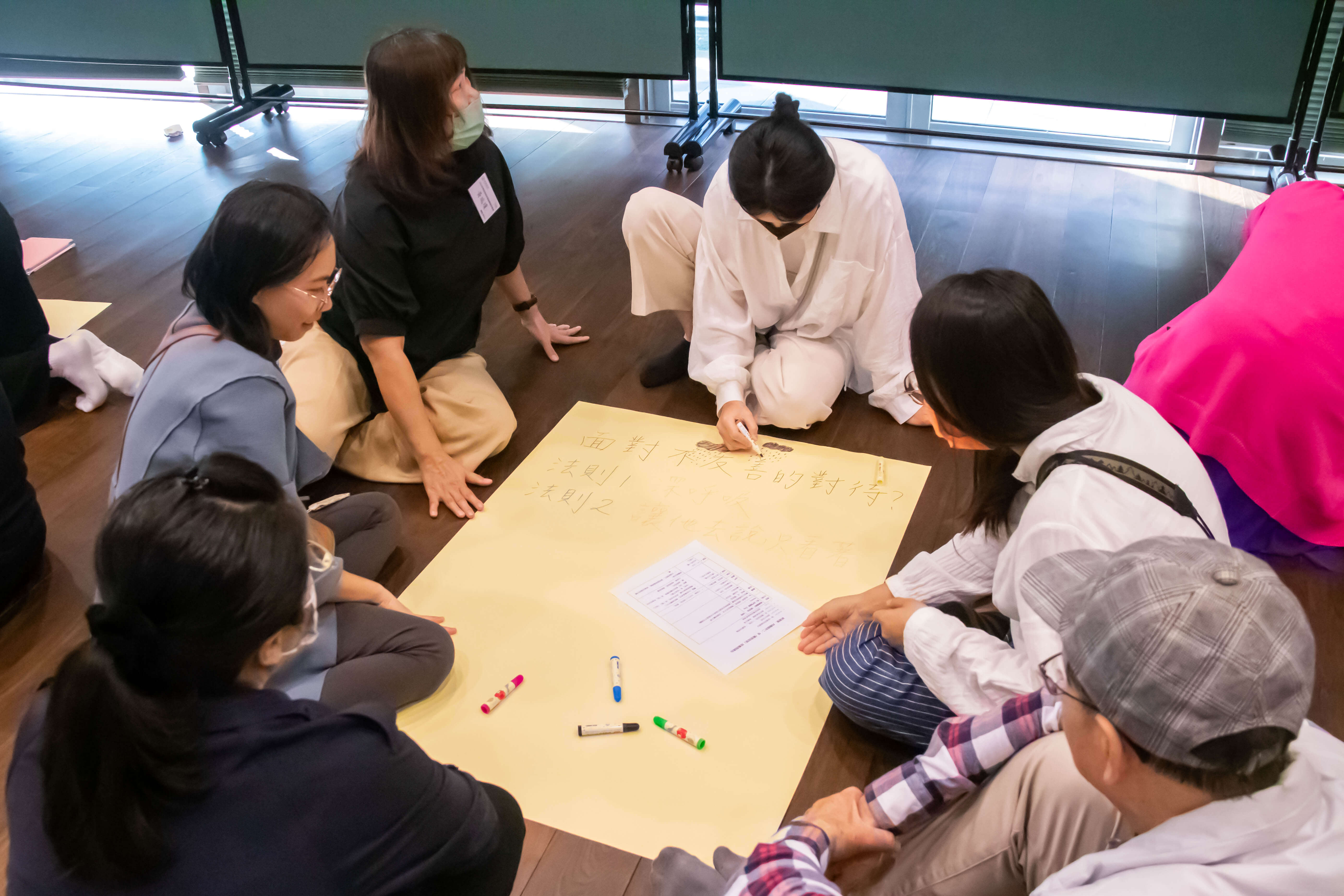
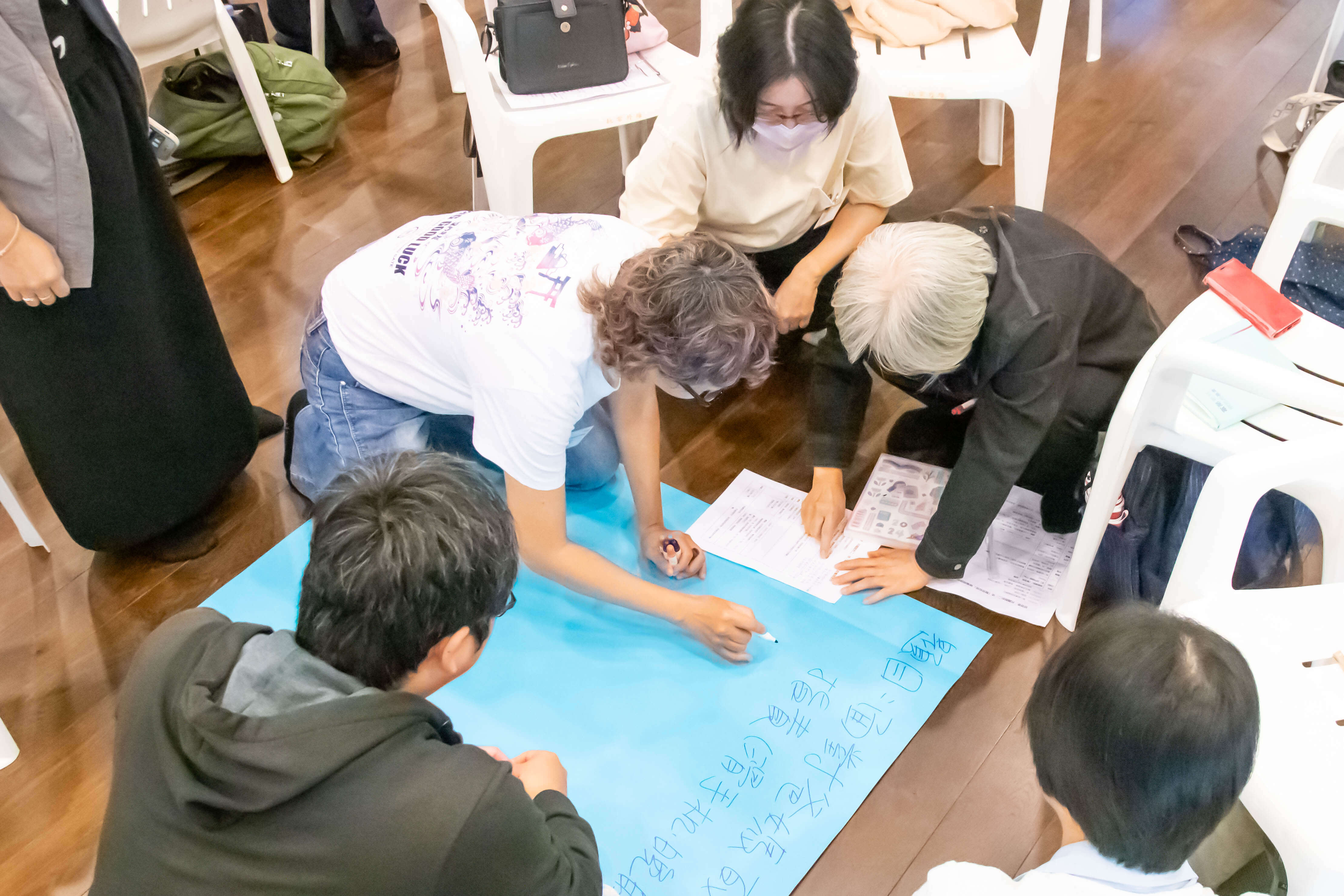
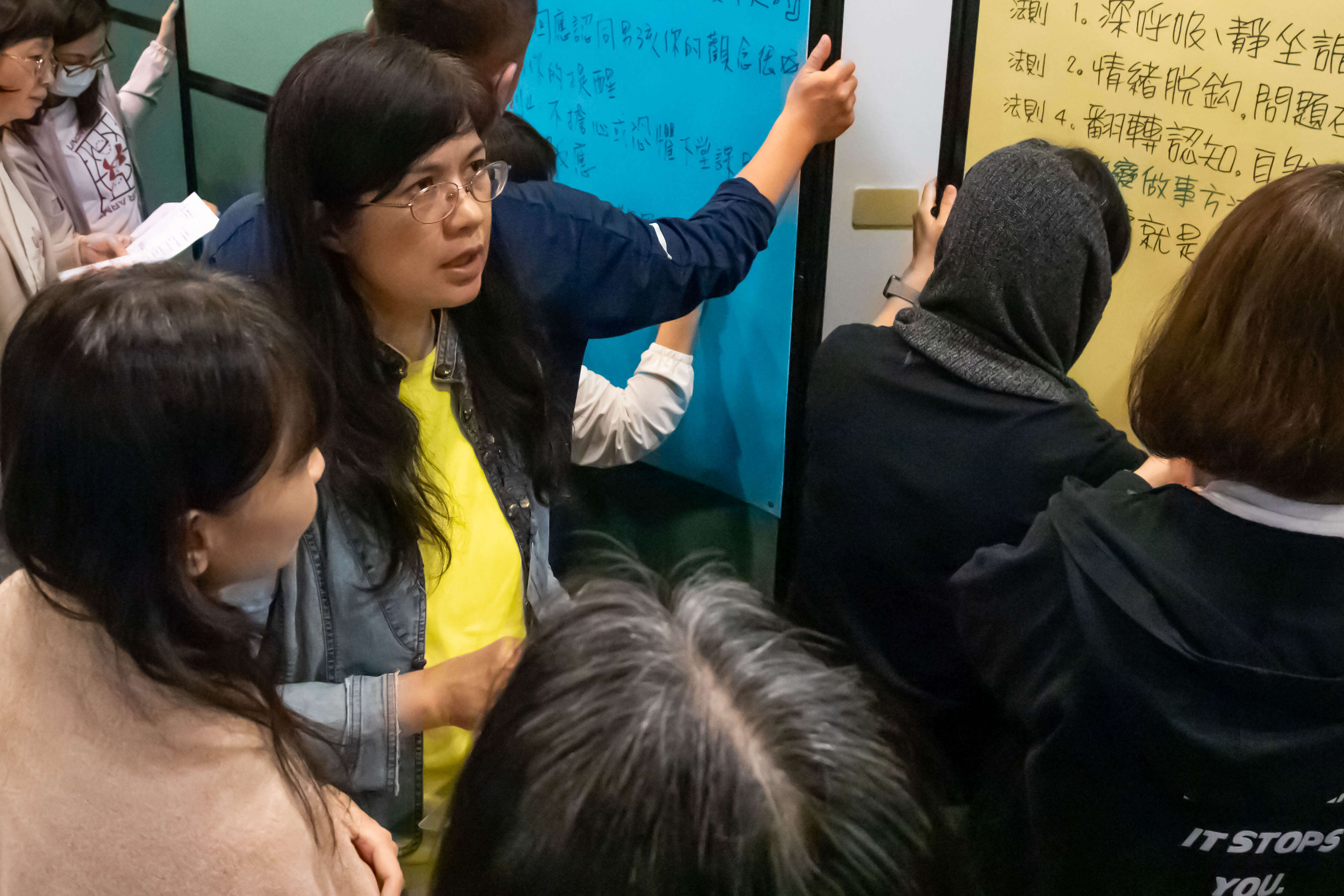
The forum also transitioned from theoretical exploration to practical application, focusing on three primary pillars:
1.
Labeling vs. Awareness
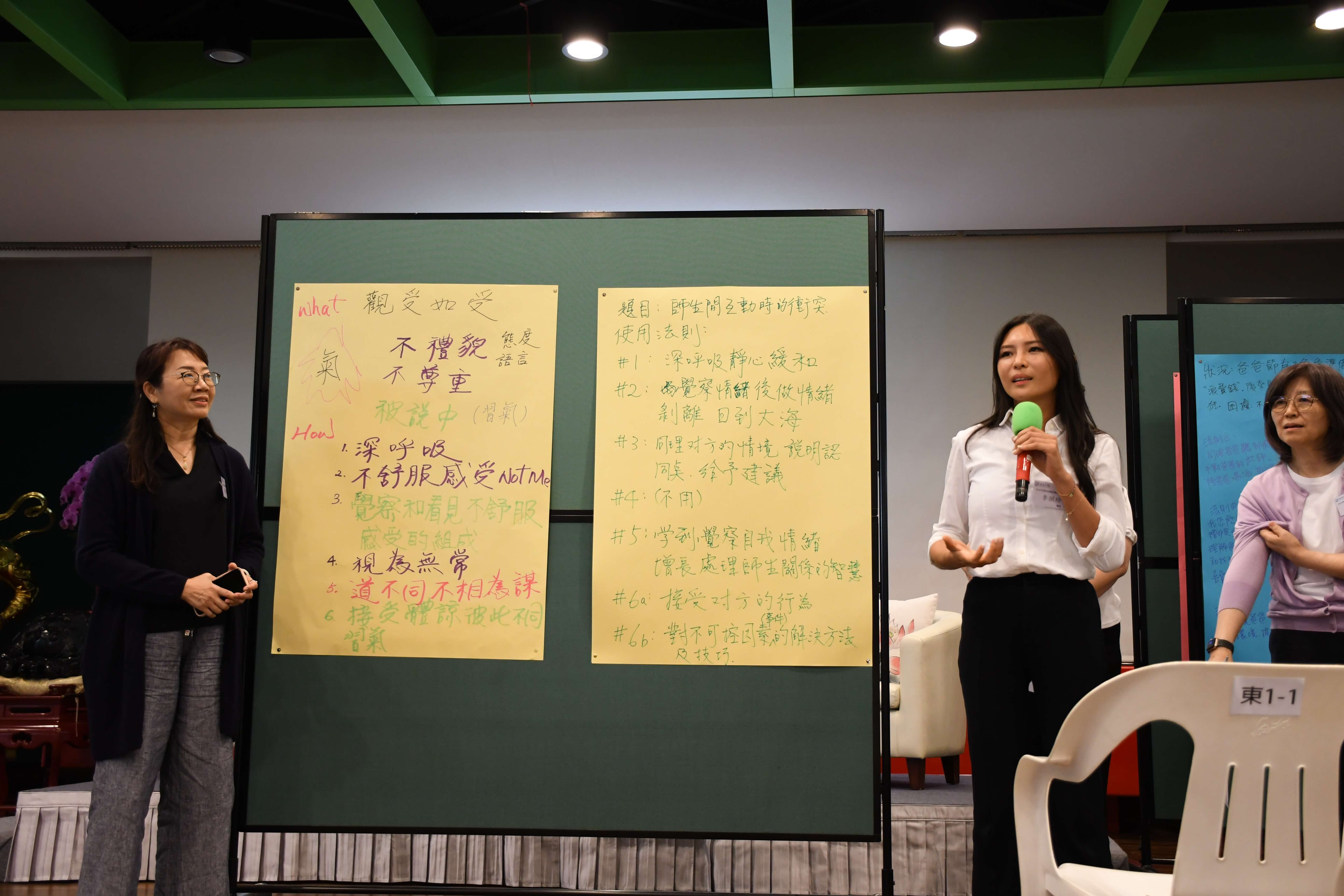
: While Western SEL utilizes labeling to externalize and manage emotions, Zen emphasizes "non-judgmental awareness." The speakers demonstrated how identifying an emotion (Western) followed by observing it without ego-attachment (Eastern) creates a powerful synergy for self-regulation.
2.
The "Three Wisdoms" (聞思修)
: Master Jian Hu articulated a shared pedagogical path: Hearing (understanding the theory), Thinking (internalizing through reflection), and Practicing (habitual application). This framework was used to bridge the gap between knowing how to manage emotions and actually doing so under pressure.
3.
Conflict Resolution
: Through case studies, such as the "Softened Startup" in communication, the panel illustrated that many conflicts stem from misinterpreting a partner's "expression style" as "malicious intent." The integration of Zen "curiosity" helps de-escalate these cycles.
Impact:
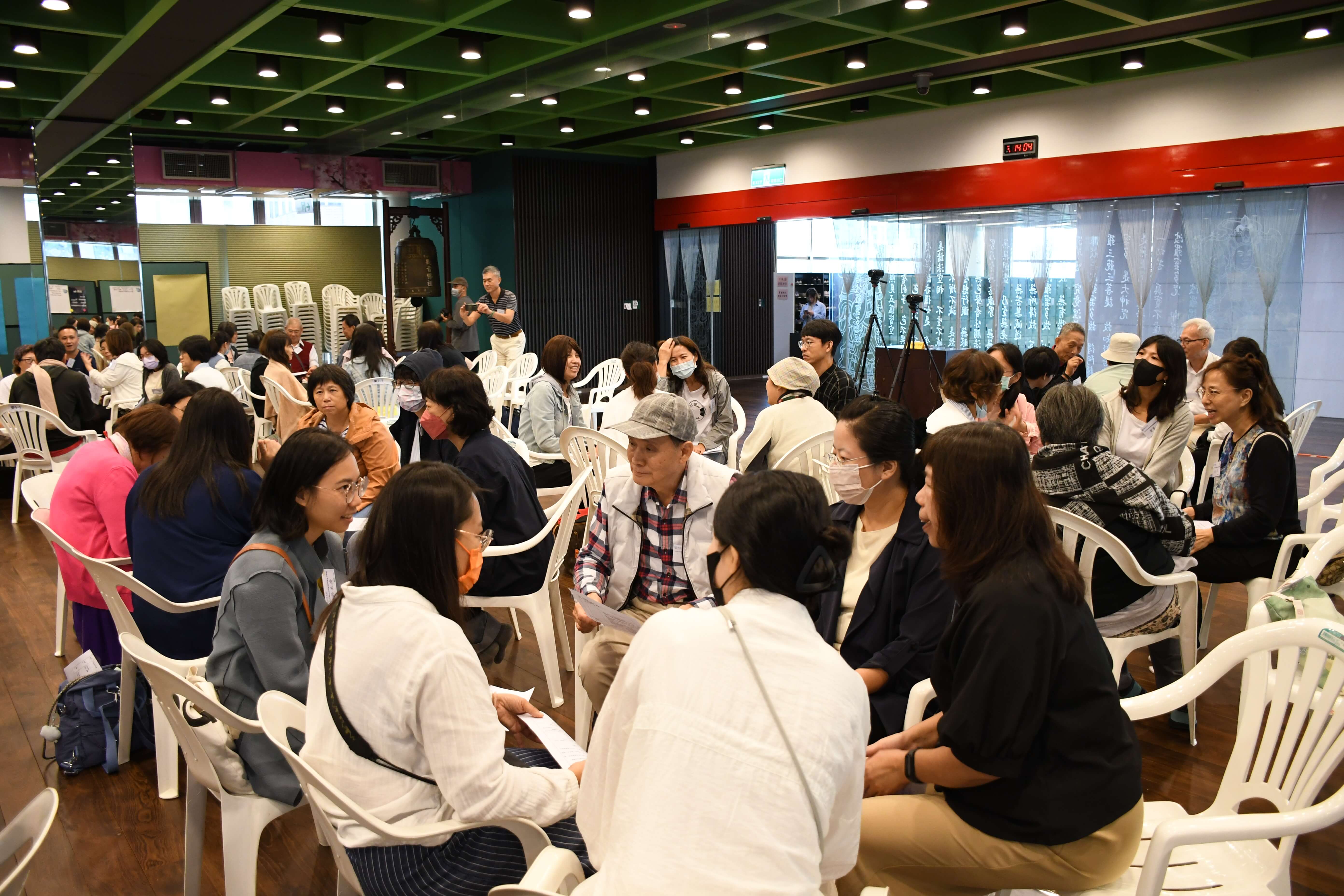
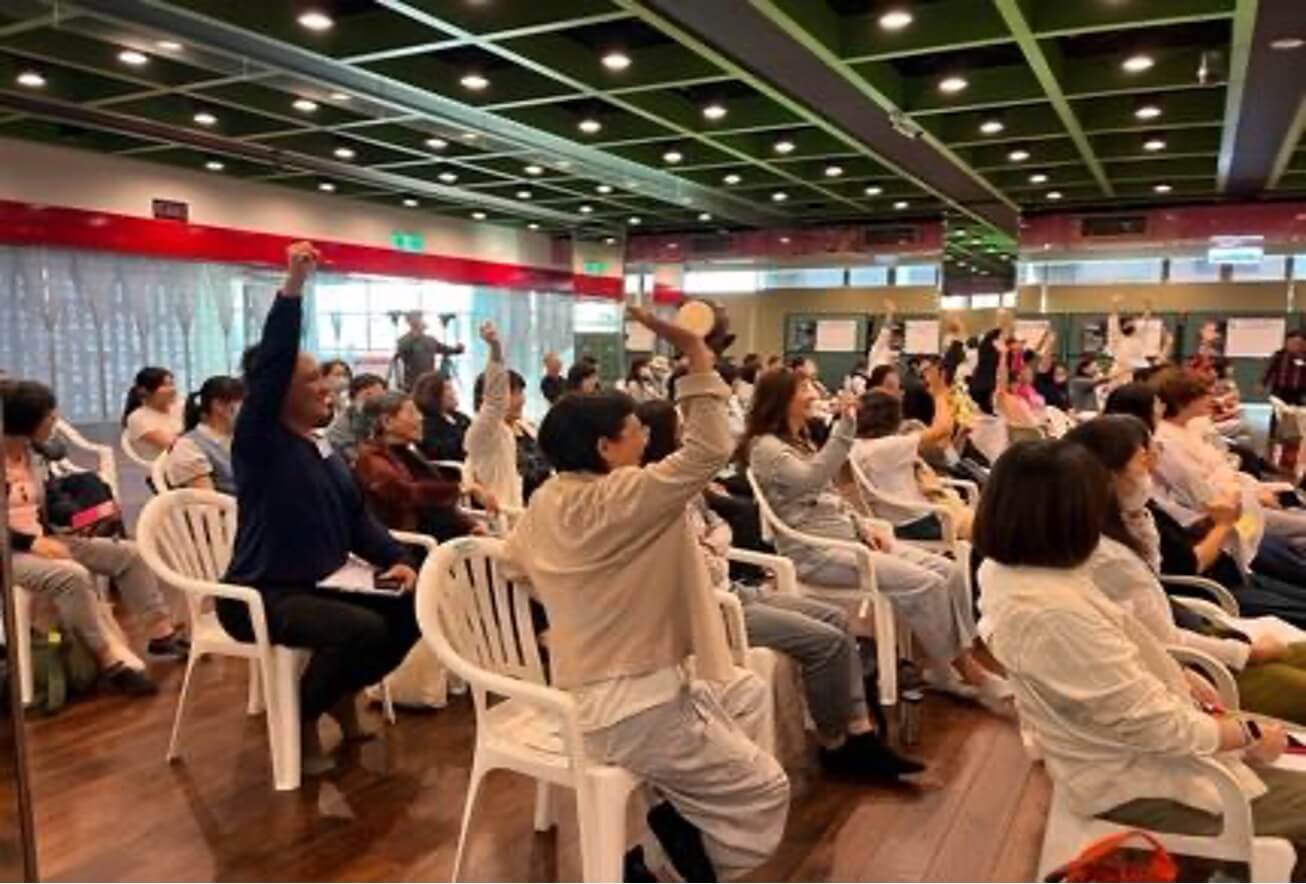
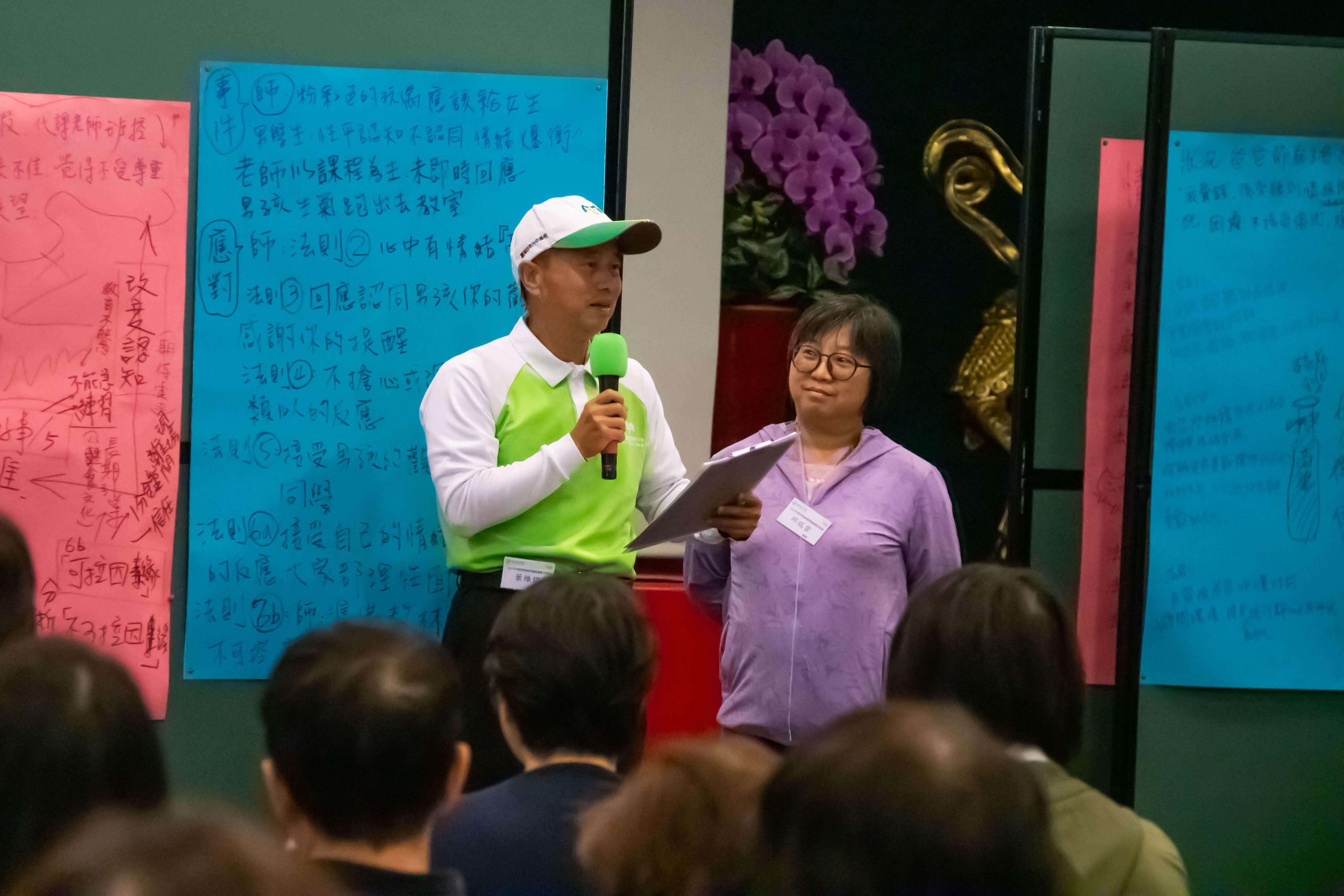
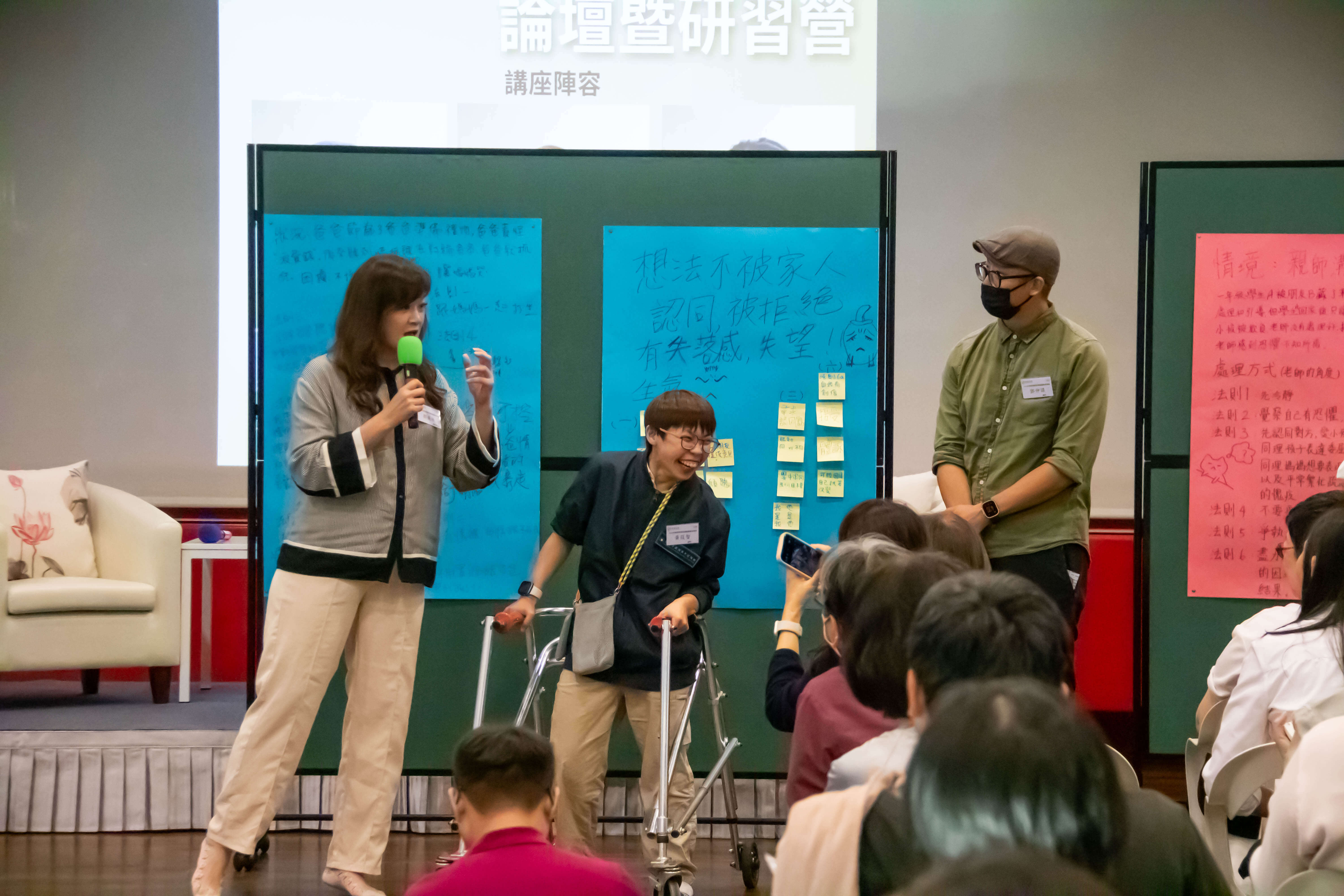
The workshop attracted a diverse cohort of educators, scholars, and volunteers. By merging the scientific rigor of SEL with the spiritual depth of the Dharma, the event provided participants with a versatile toolkit for enhancing personal resilience and fostering social harmony. The speakers concluded that while Western methods offer excellent "diagnostic" tools, Eastern practices provide the "inner stability" necessary for long-term transformation.
This forum exemplifies a growing global trend: the secular application of Buddhist psychology to address the mental health challenges of the modern, high-pressure era.
● Opening remarks and speeches at the forum for guests
Dr. Chen Hui-tzu

Chairman Huang Bao-yun

New Taipei City Councilor Dai Xiang-yi

● Three lecturers
Venerable Master Jian Hu

SEL expert Yang Li-rong

Dr. Chen Hui-tzu

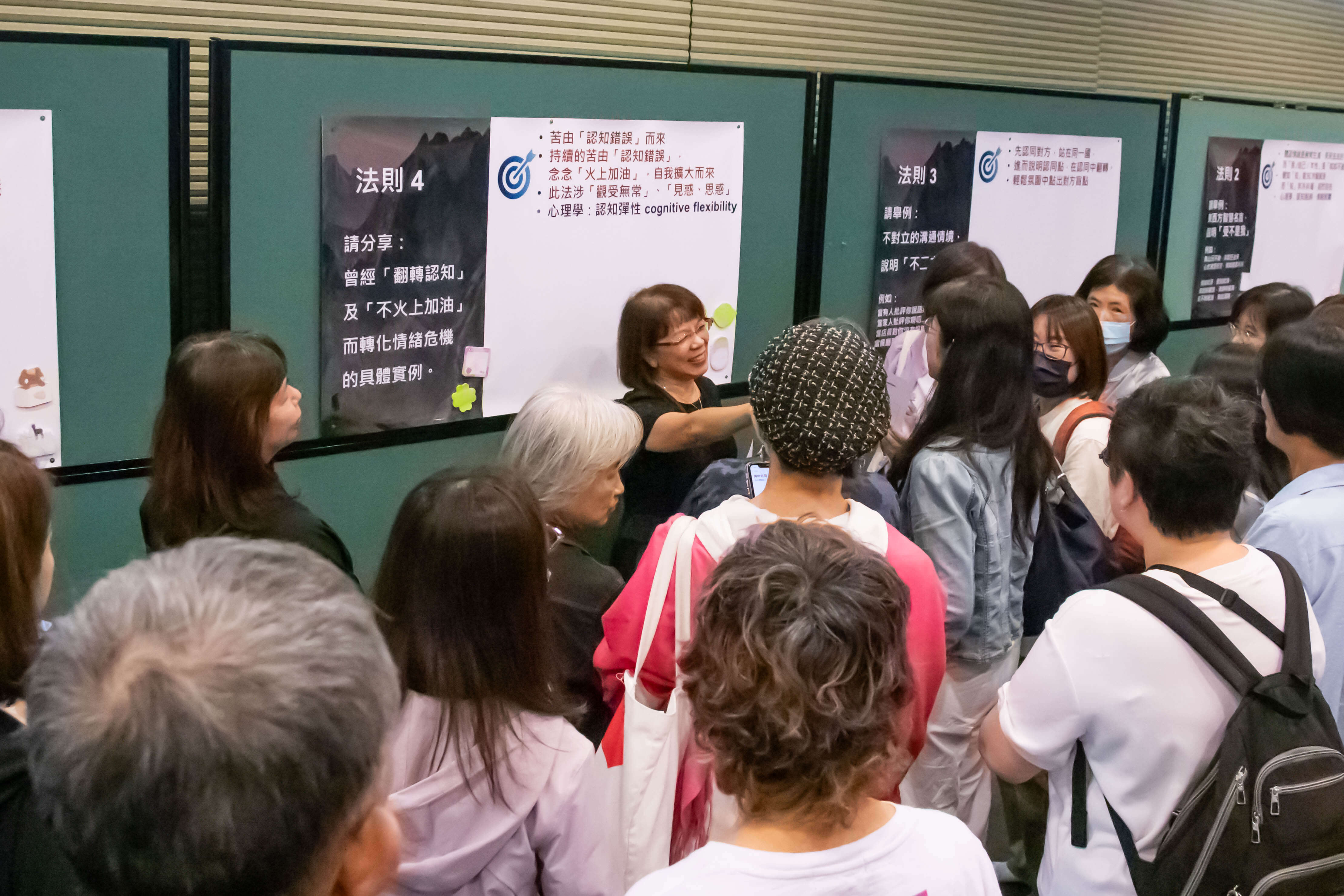
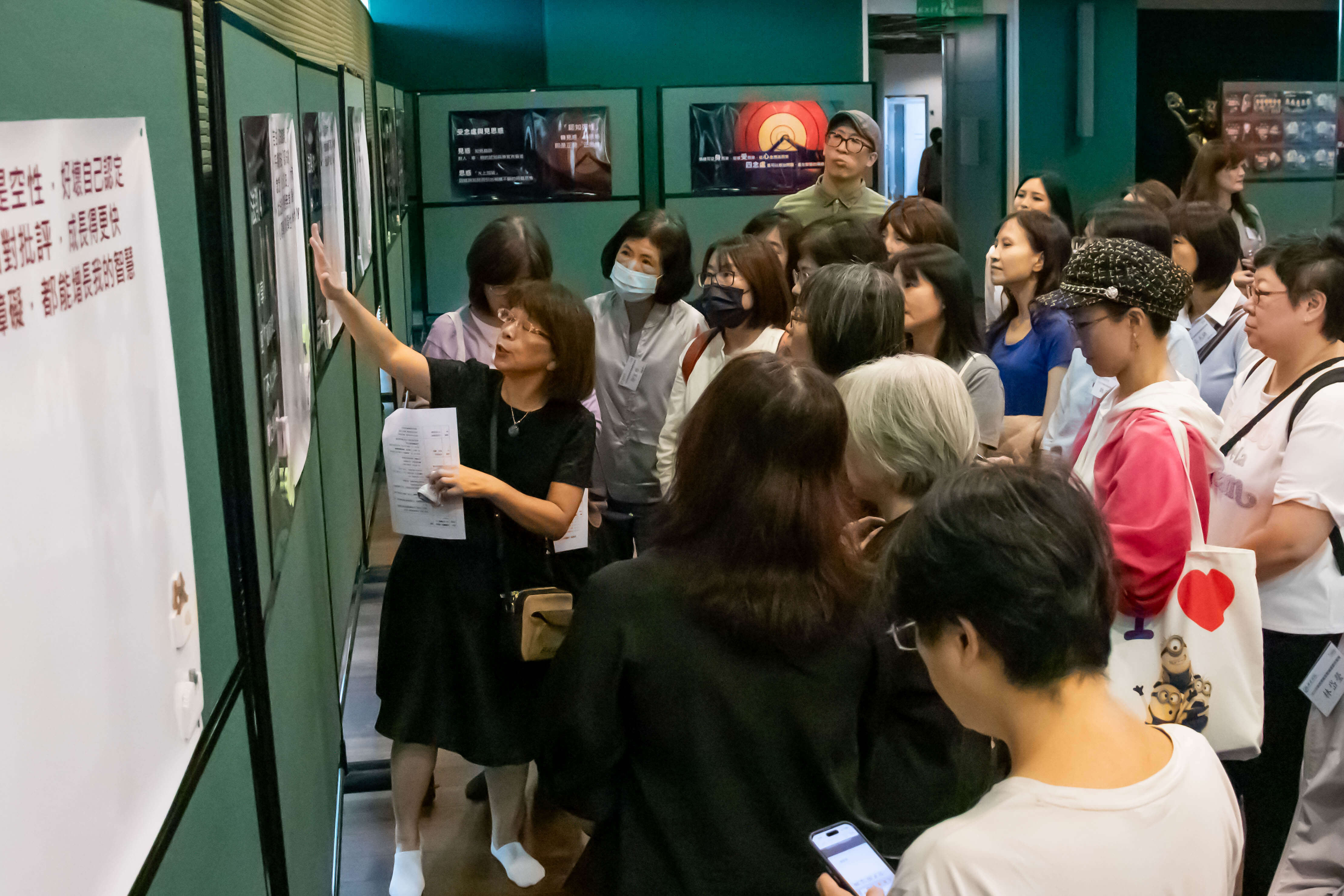
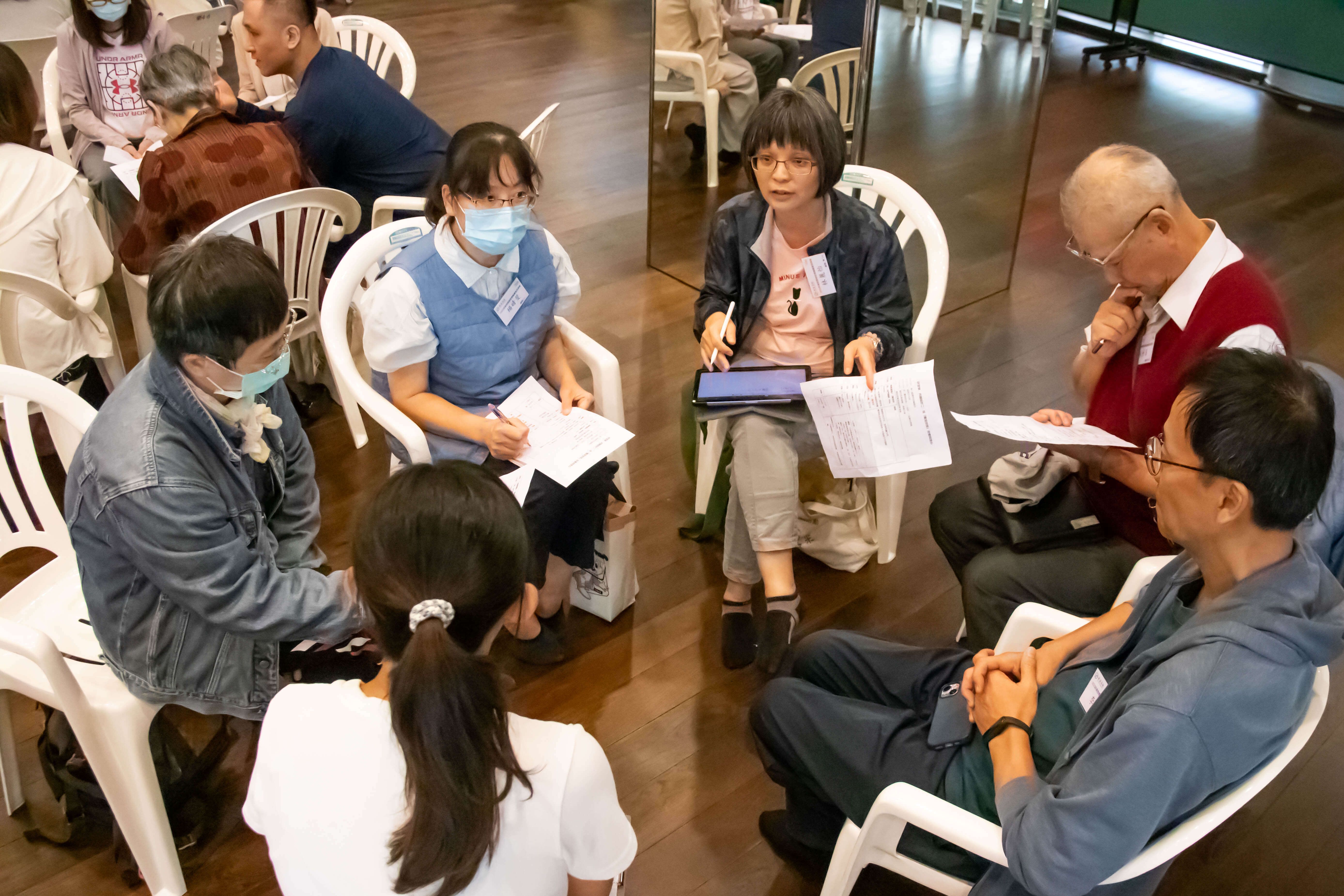
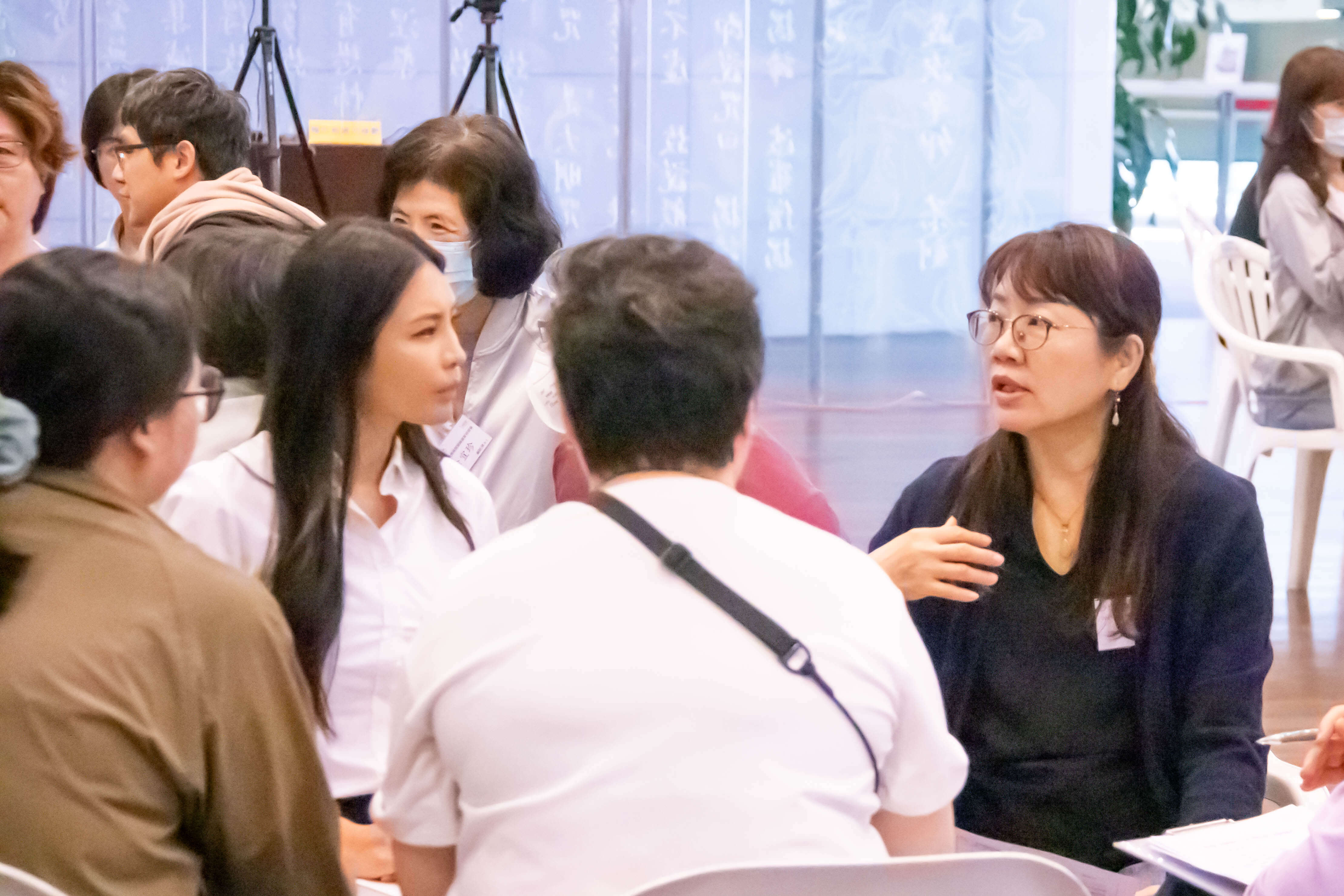
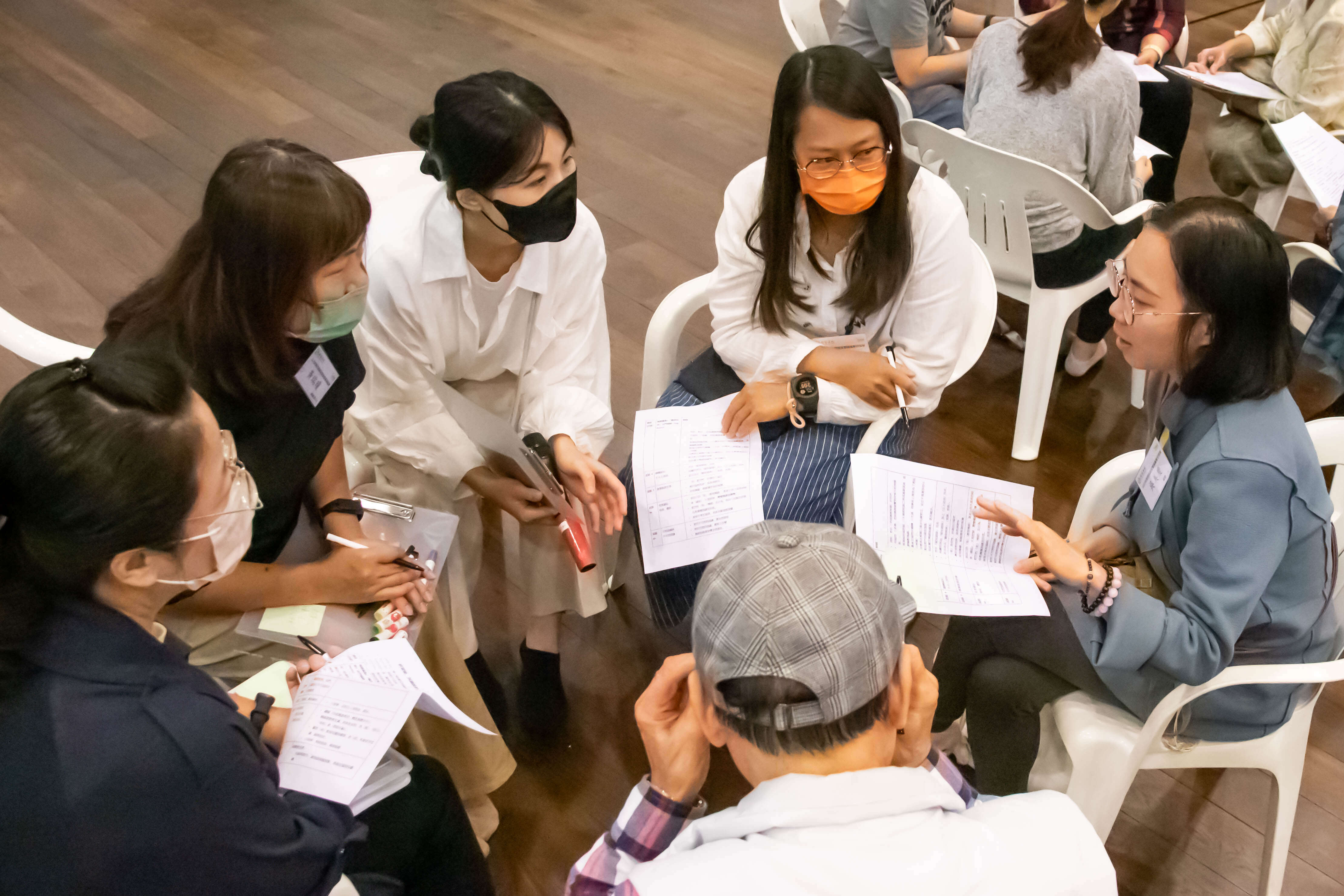
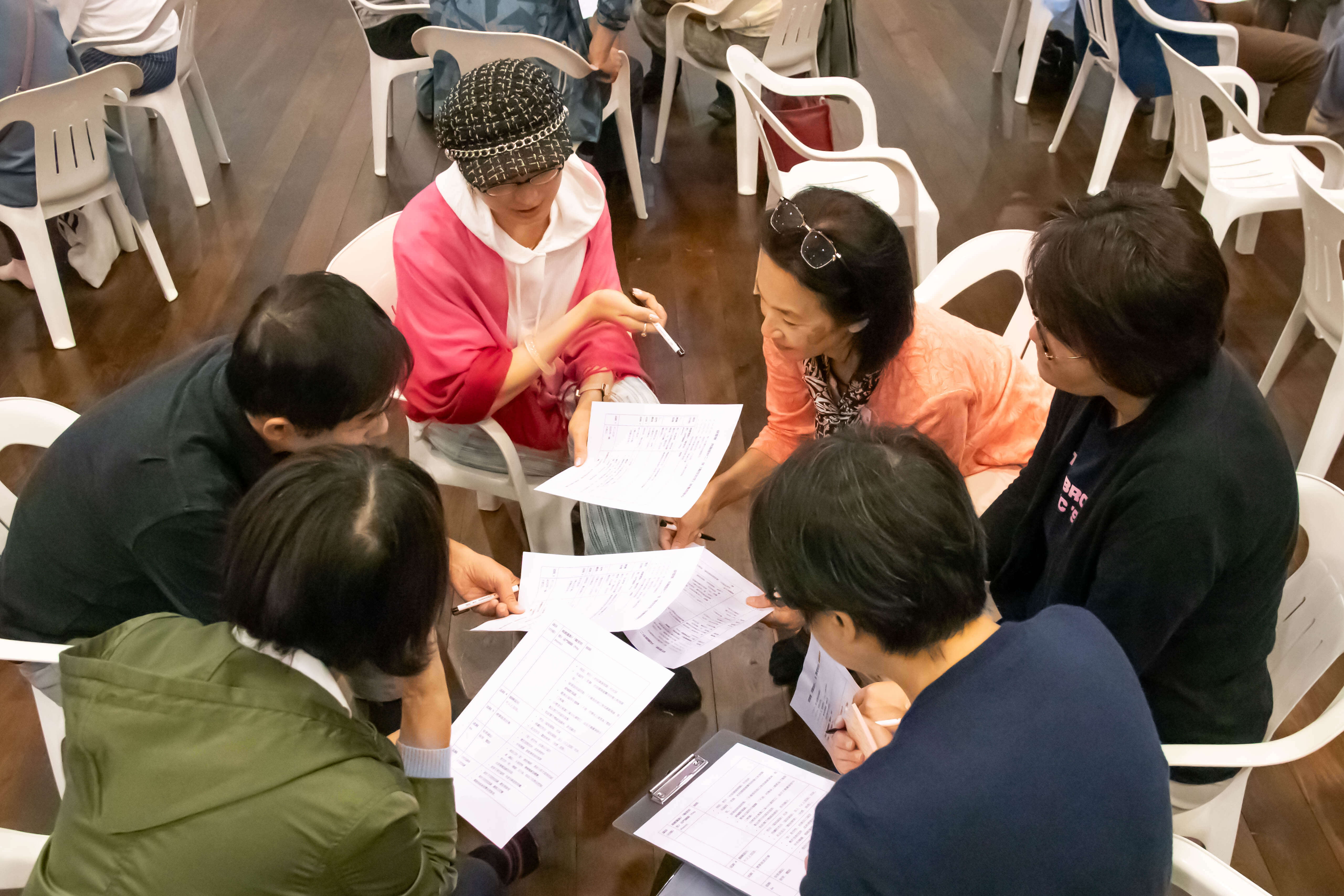
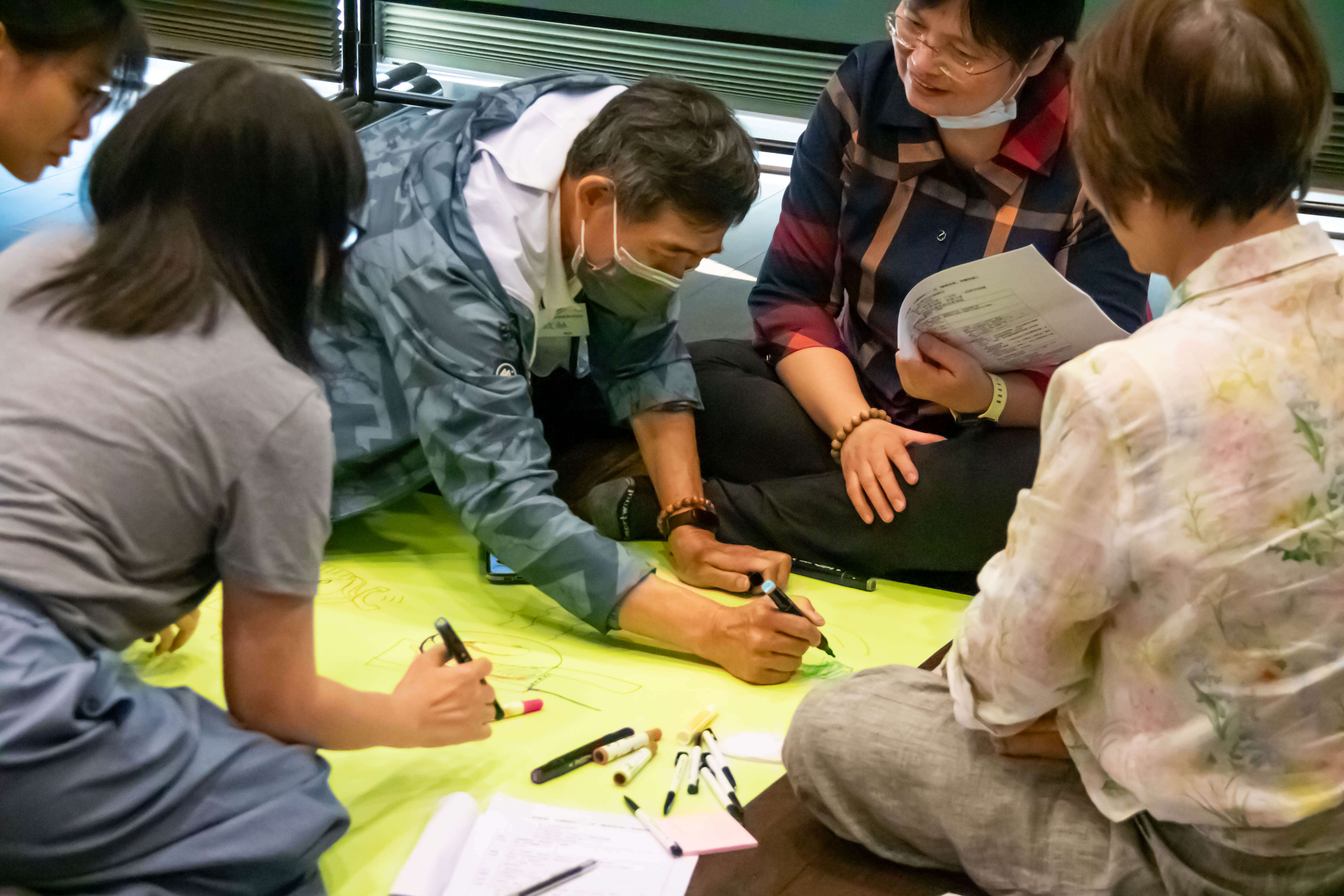
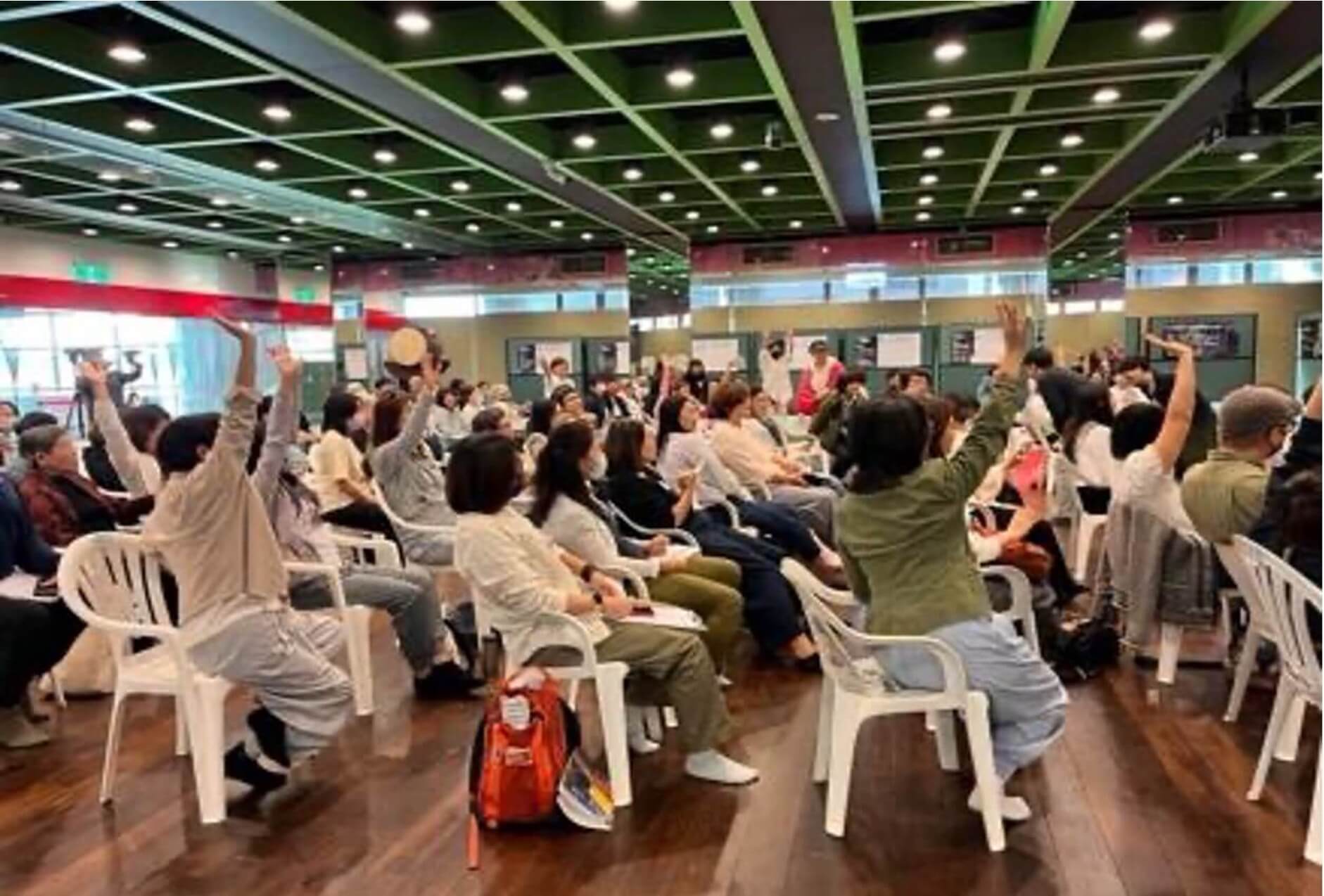
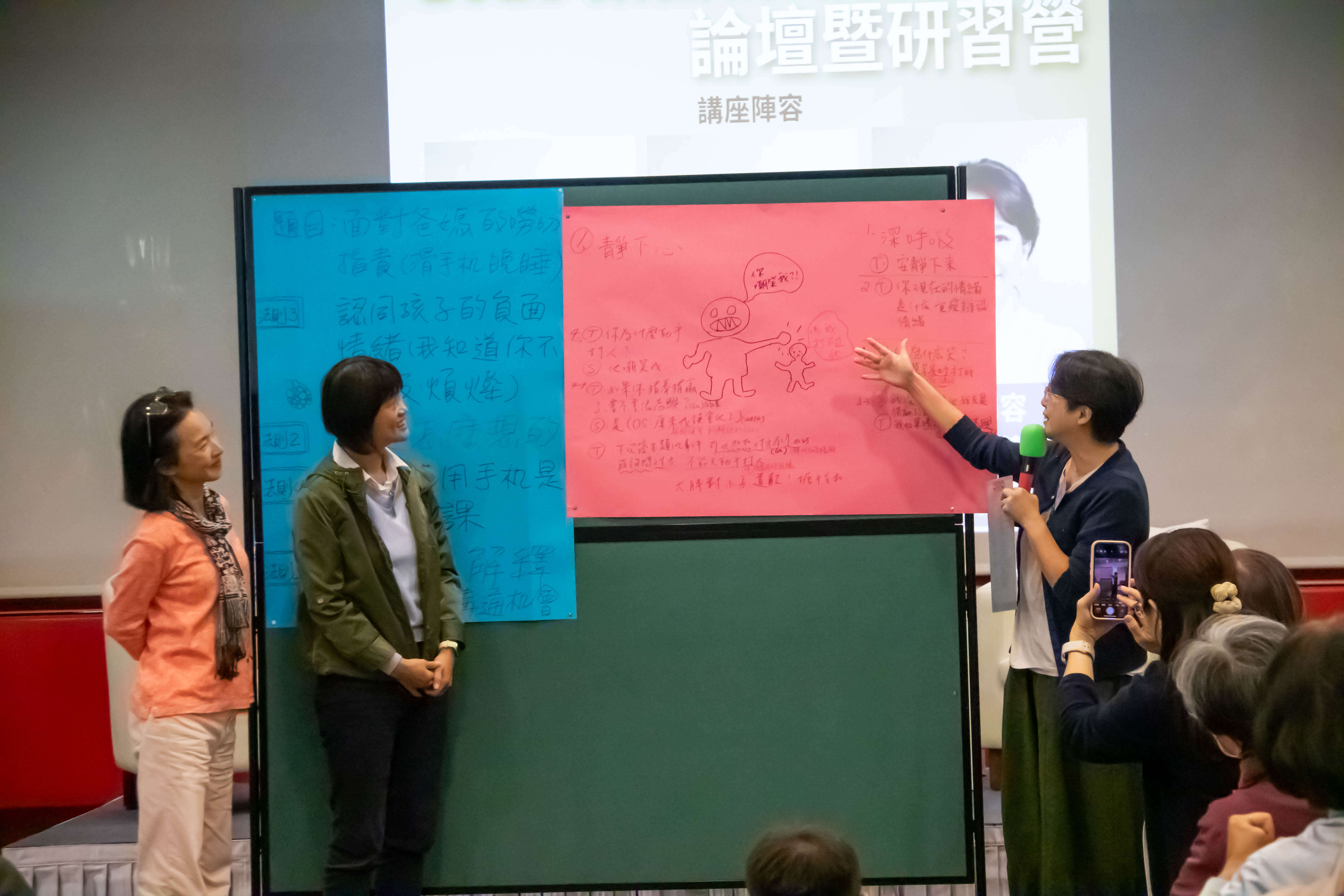
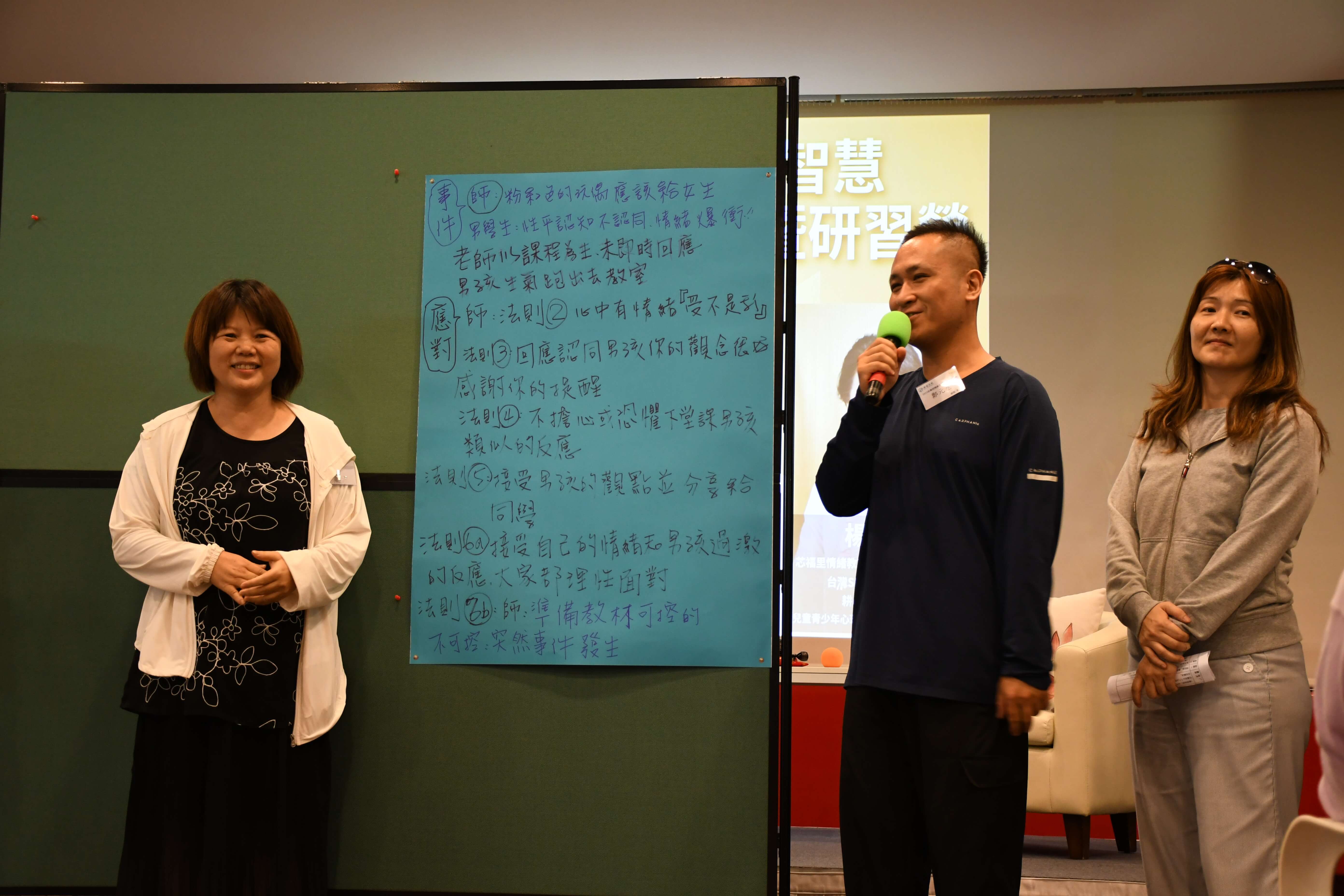
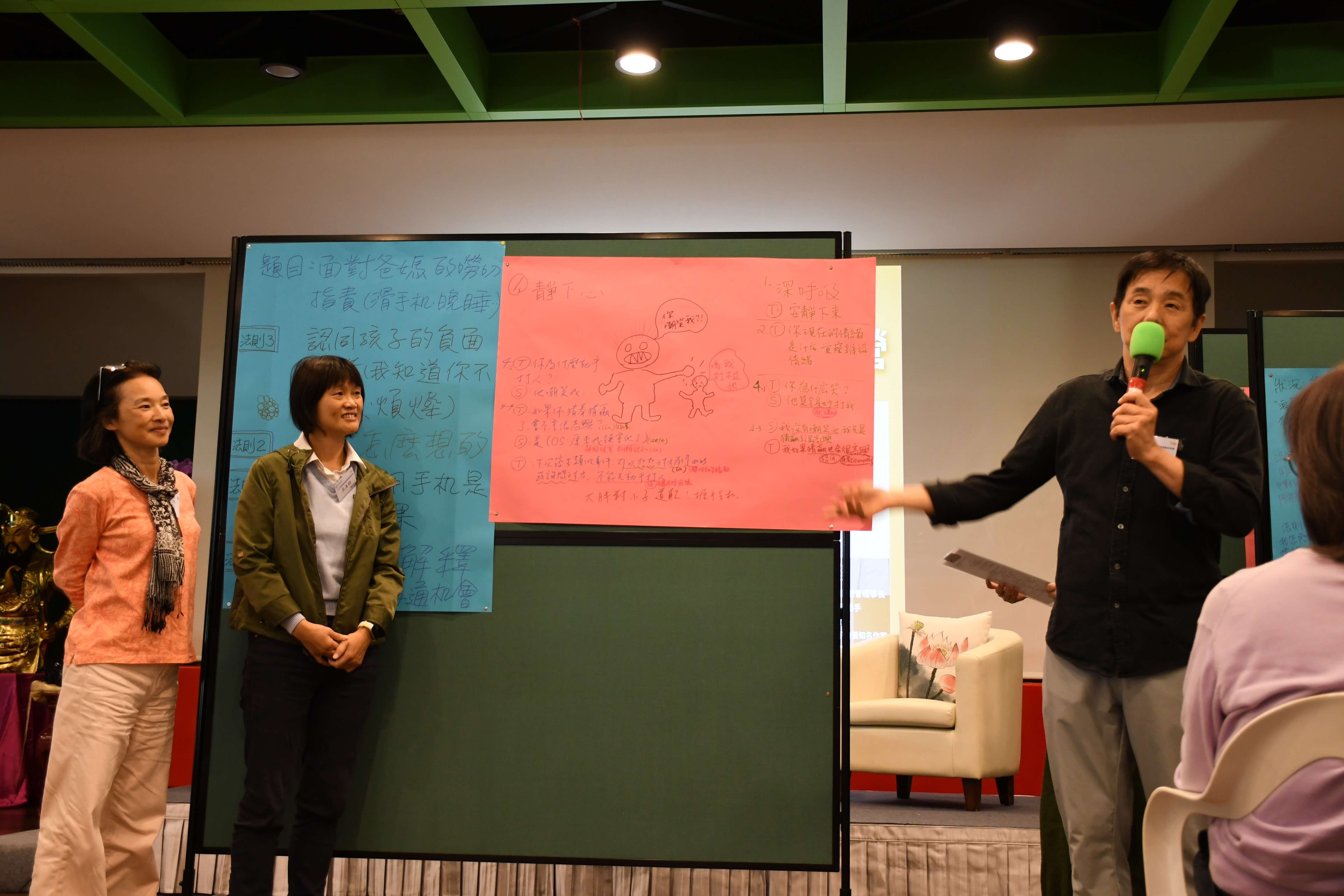
● Afternoon workshops
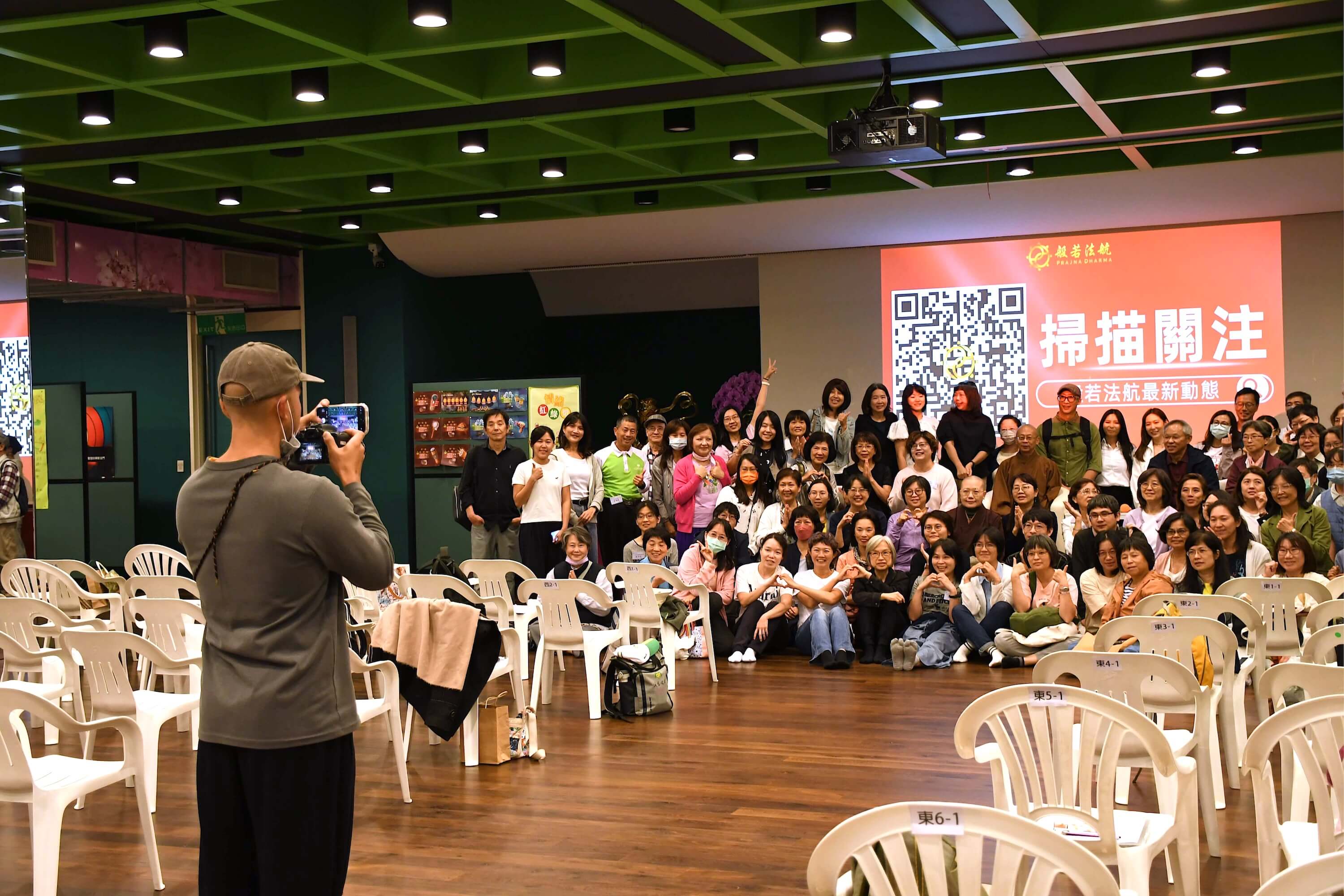
● Group photo