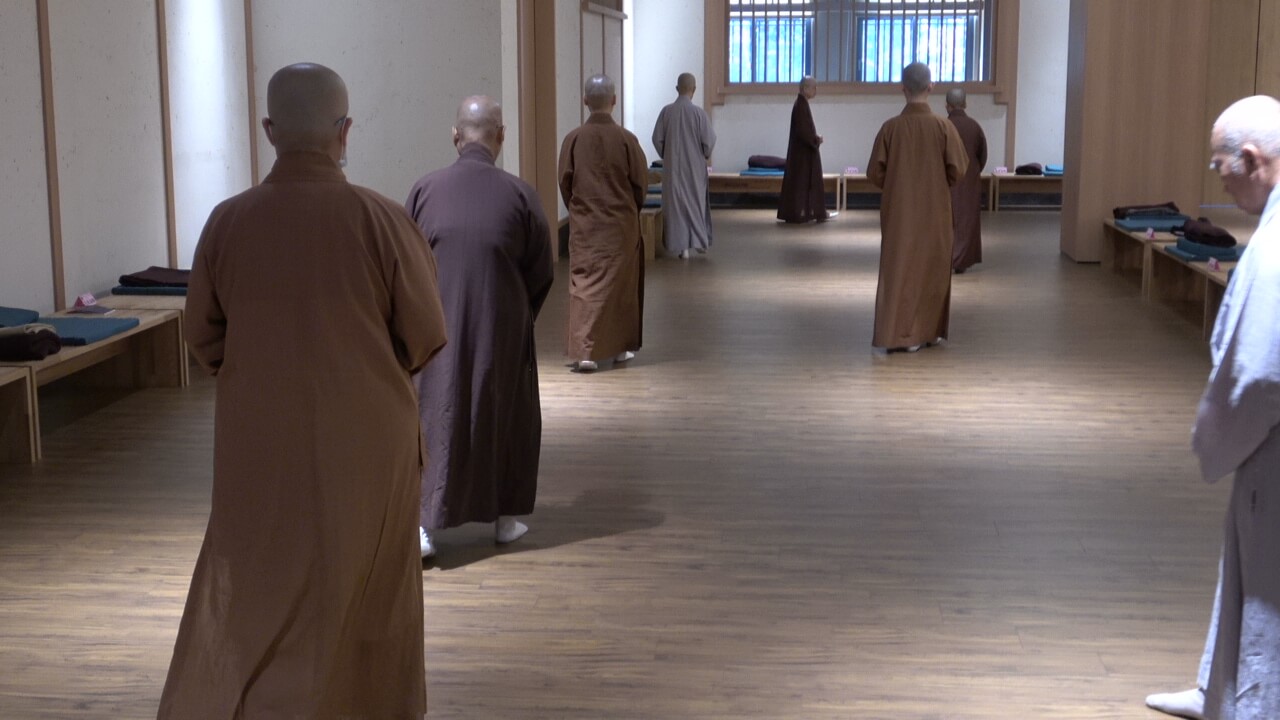
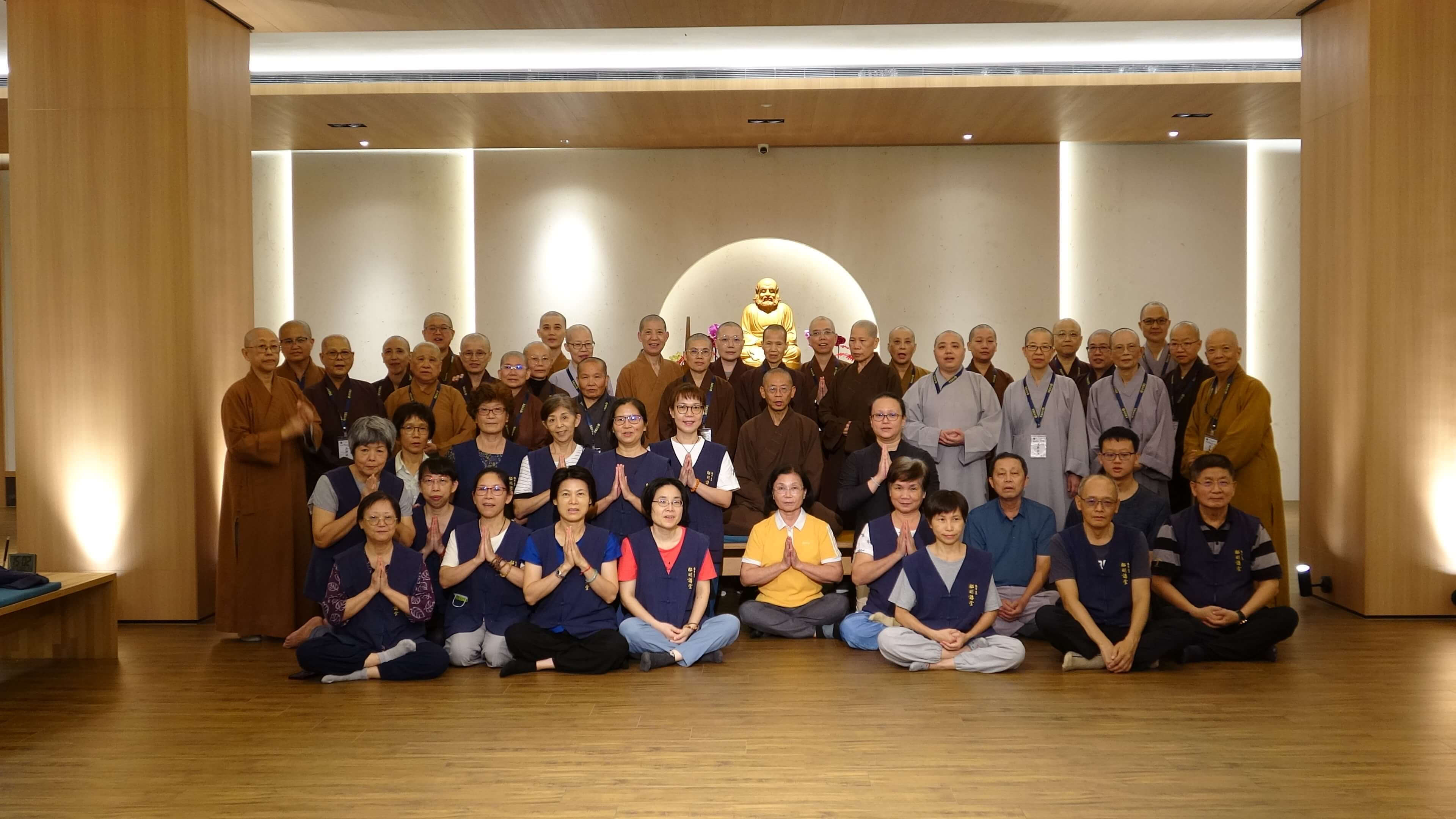
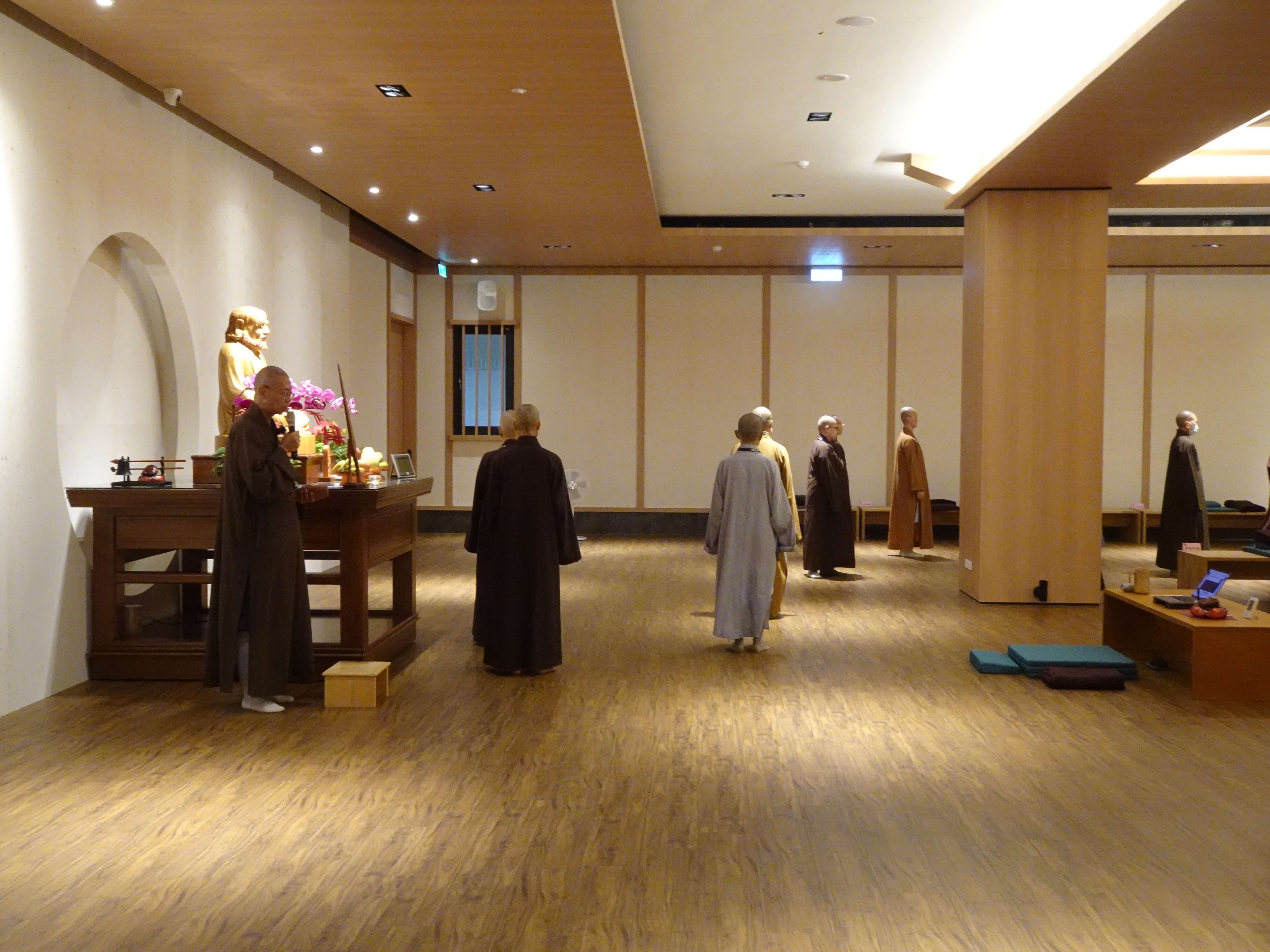
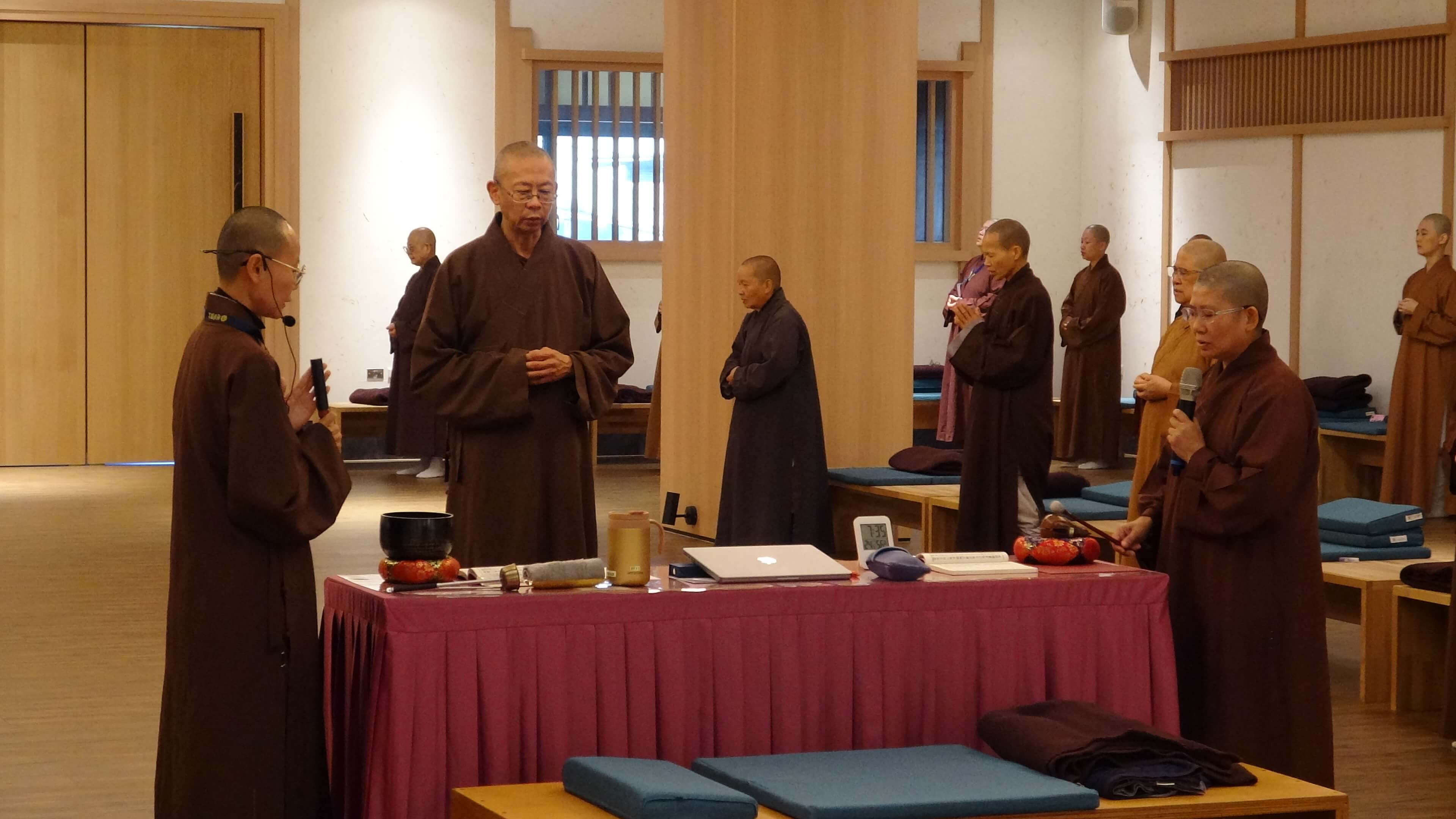
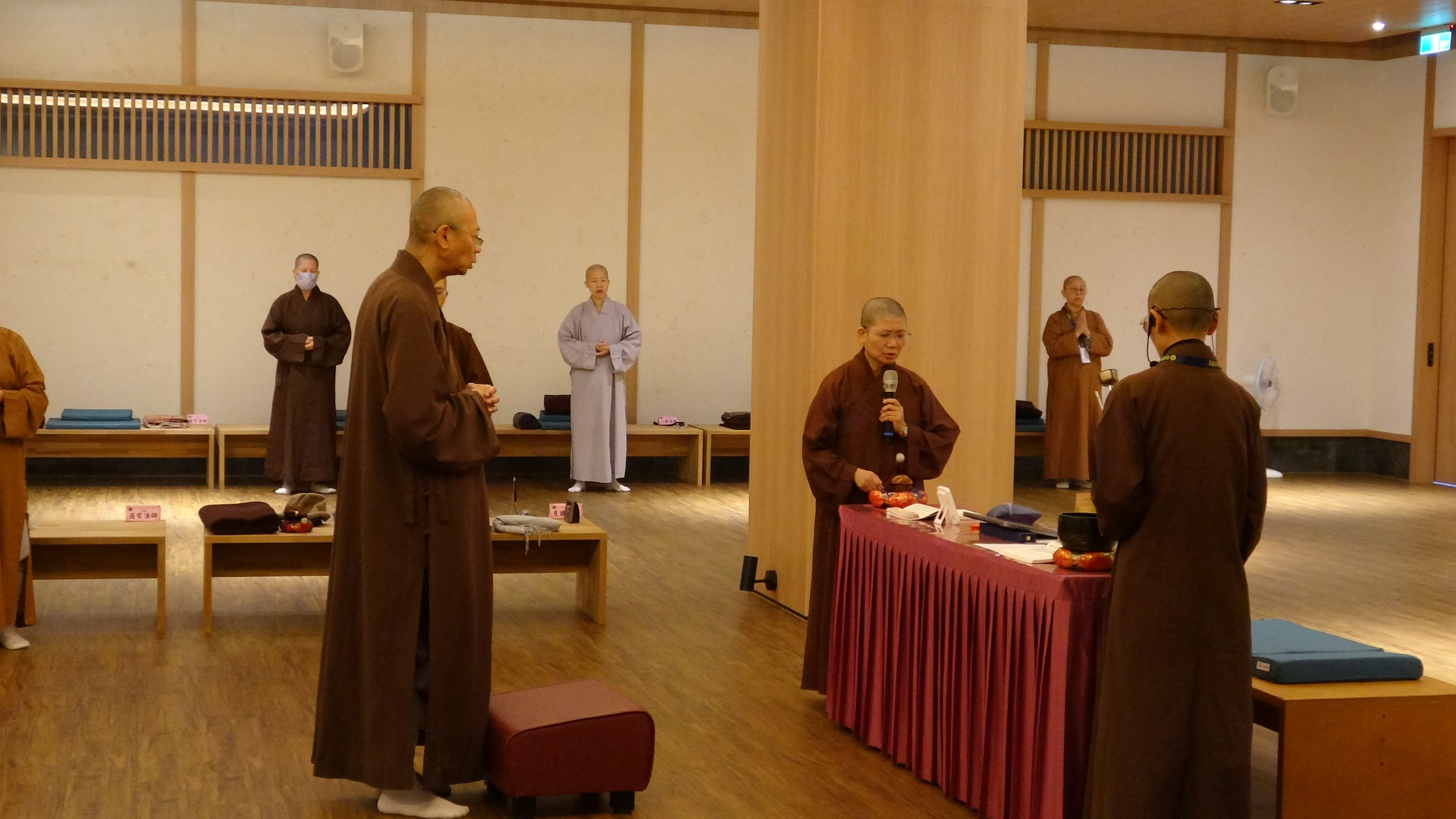
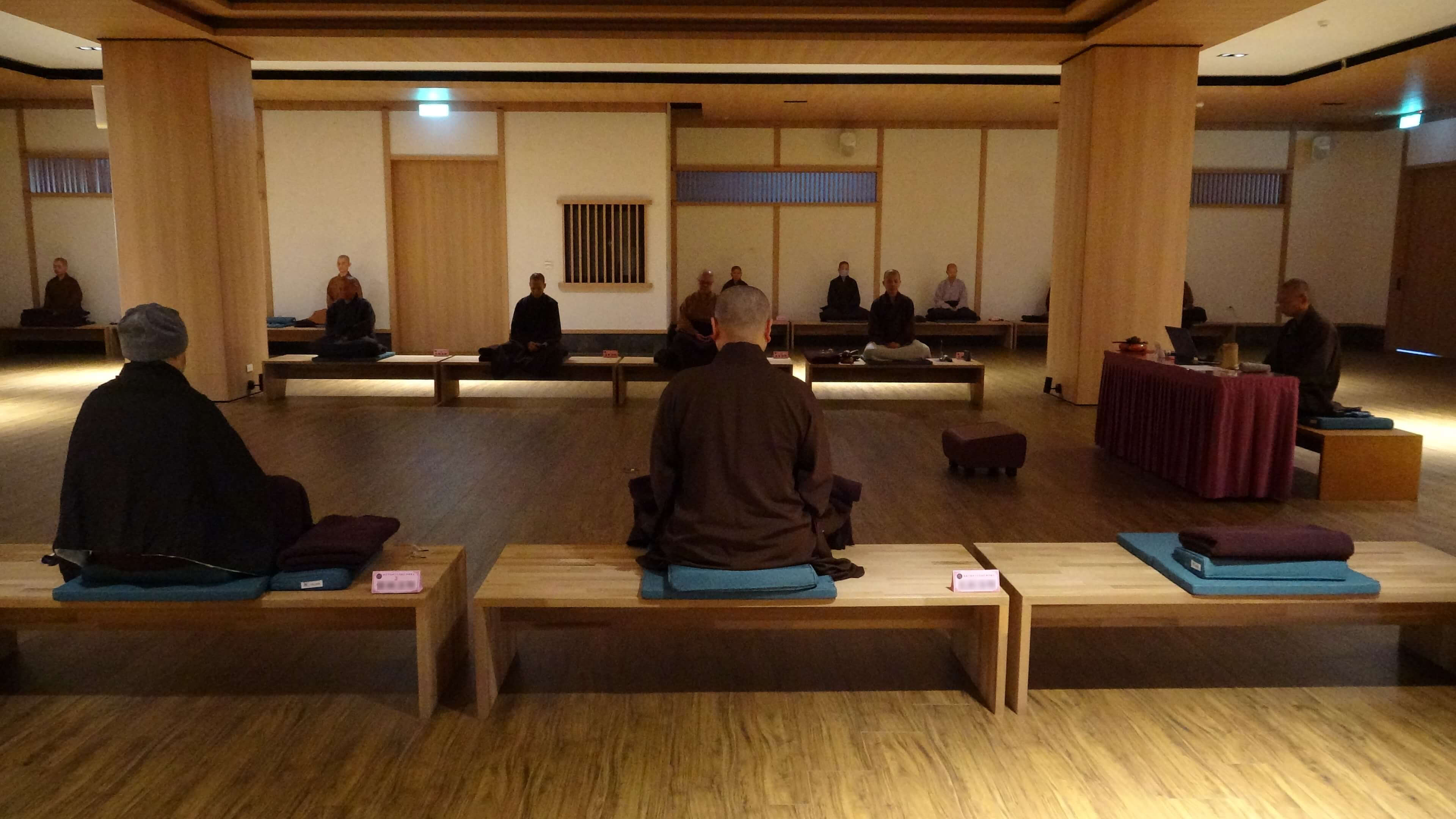
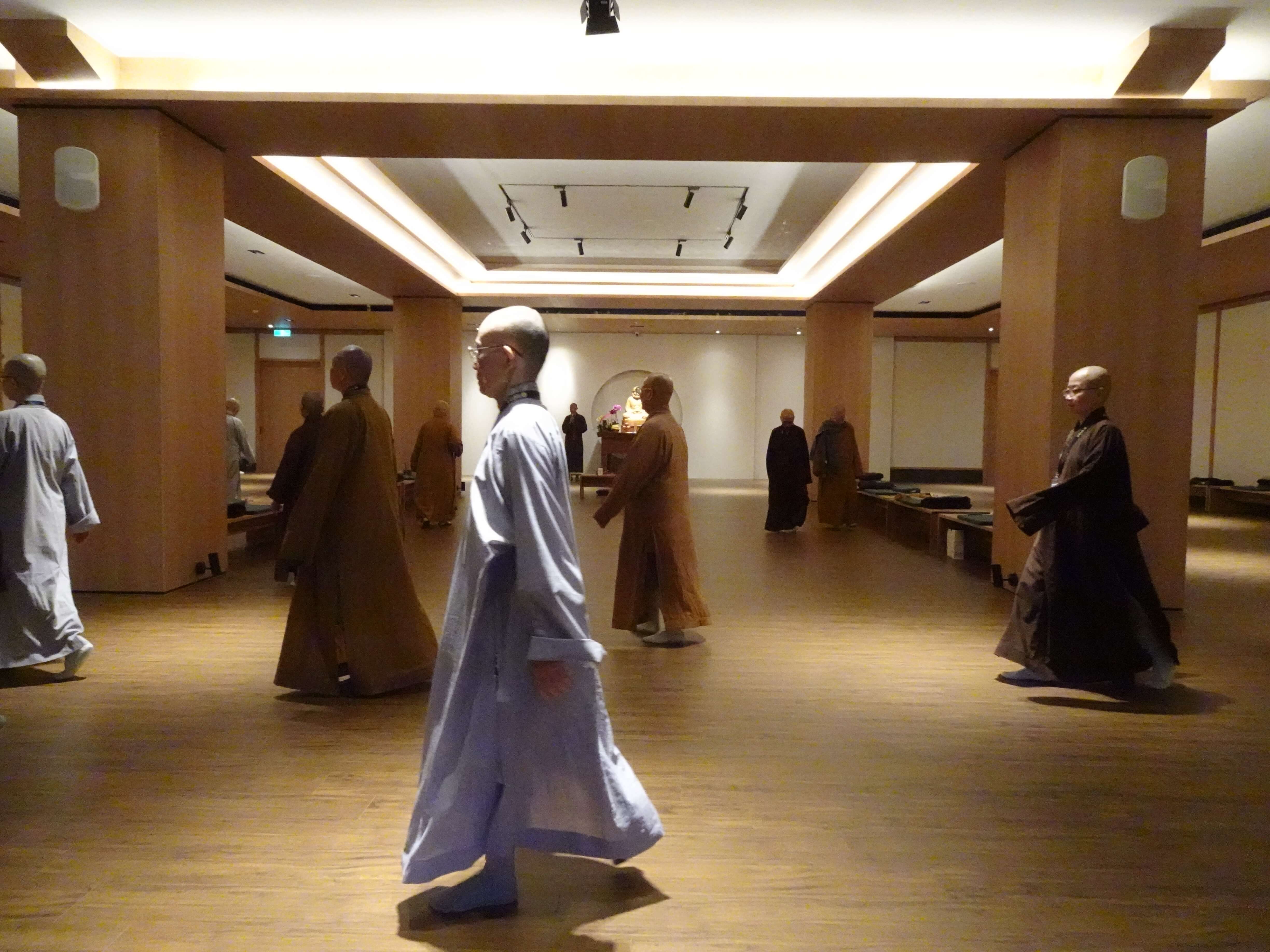
The "Chan Compassion Meditation" retreat for monastics was successfully concluded at Zhaoming Lecture Hall in Taoyuan from 10/12 to 10/16, 2025. The five-day event brought together over 20 monastics. The retreat, led by Venerable Jian Hu of Prajna Chan Forest, focused on re-envisioning traditional compassion (metta) meditation from a Chan (Chinese Zen) perspective, making it an integral part of of the Mahayana Buddhist cultivation.
Here is the English translation of the report based on the sources, incorporating your requested terminology:
2025 Sangha Retreat: Chan Compassion Meditation — The Development of Awareness and Bodhicitta
Organized by Prajna Dharma and co-organized by Jhao Ming Organization, the "Chan Compassion Meditation" Sangha Retreat was successfully held from October 12 to 16, 2025, at the Jhao Ming Lecture Hall in Taoyuan, Taiwan. This five-day, four-night retreat aimed to guide monastics in re-examining and practicing traditional compassion meditation from a Zen perspective. The lead teacher was Venerable Jianhu, the abbot of Prajna Forest Monastery.
The retreat was structured as a "Meditation and Workshop" rather than a simple seven-day meditation retreat, with a curriculum designed around the Buddha’s Threefold Training of Acquiring, Absorbing, and Cultivation ("ABC" of Buddhist learning). Participants were asked to maintain silence throughout the period (except during discussions), to treat these five days as a formal and continuous period of cultivation. The daily schedule included morning "Half-day Meditation" sessions with four periods of meditation and guidance on the "Chan Compassion Meditation" method, followed by afternoon group discussions for monastics to internalize and digest the teachings.
Core Teachings by Jianhu Shifu: Foundations and Stages
Jianhu Shifu’s teachings focused on the theory and practice of compassion, exploring its relationship with Chan, awareness, dependent origination, emptiness, and the Bodhisattva path.
1. The Foundation of Meditation: Knowing, Consciousness, Awareness, and Mindfulness
Meditation centers on "knowing" (Jue), starting with being aware of the present moment. Jianhu Shifu emphasized distinguishing between "Knowing" (Zhi/Awareness) and "Consciousness" (Shi/the discriminating mind):
•
Knowing (nature of awareness)
: The very first experience when the mind functions; it is pure knowing and acceptance, without discrimination of like or dislike.
•
Consciousness (discriminating mind)
: The function of the mind processing the information from pure "knowing," giving rise to distinctions, labels, preferences, and emotions. The goal of practice is to see through "consciousness" and return to the unchanging "knowing," allowing the knowing to be the master.
2. The Default Method: Whole-Body Awareness and Self-Compassion
Whole-body awareness served as the "anchor method" (default practice) for this retreat, belonging to the "Mindfulness of Body" within the Four Foundations of Mindfulness. The essence is: Mind in the present, knowing without clinging, no discrimination, and total acceptance.
Jianhu Shifu stressed that practicing compassion must begin with compassion for oneself. Practicing Buddhism is an act of self-compassion because it allows one to understand gratitude and causality, and to let go of the attachment that refuses to accept reality.
3. Stages of Compassion: From Sentient Beings to Great Compassion
Chan Compassion Meditation is a practice of "Cultivation through Contemplation" (applying Dharma-guided thinking during meditation), using the conscious mind to think through Buddhist principles clearly. The stages progress from self-compassion to three categories of beings: Kin, Neutral, and Adversaries.
•
Kin (Sentient Being-based Compassion)
: Focuses on cultivating gratitude.
•
Neutral Persons (Empathy)
:Focuses on observing dependent origination to foster empathy and let go of anger.
•
Adversaries (Patience & Transforming Consciousness into Wisdom)
: These are "Bodhisattvas" who test one's growth. Methods include believing in cause and effect to view harm as "joyfully repaying a debt" (Past), using "Observing Feeling as Feeling" (Present), and contemplating that all beings have Buddha-nature (Future).
◦
4. Bodhicitta and Dharma-based Compassion
: Moving beyond "Sentient Being-based Compassion," one reaches "Dharma-based Compassion", which is based on the insight of emptiness and dependent origination. This leads to liberation and the ultimate state of "Unconditioned Great Compassion" and "Universal Empathy".
Summary of Monastic Feedback
The participating monastics praised the systematic arrangement and the profound insights of Jianhu Shifu. Key takeaways included:
•
Clarification of Awareness vs. Consciousness
: Gaining a clear understanding that "Knowing" is the very first thought of the present mind.
•
Practical Application
: Core principles like "knowing without clinging" and "total acceptance" were seen as vital "medicine" for transforming habits.
•
Transforming Afflictions into Bodhi
: Learning to view verbal harm as "empty" or as a test to improve one's capacity, thereby transforming consciousness into wisdom.
•
Increased Confidence
:The retreat reshaped their understanding of meditation and strengthened their resolve to pursue the path of liberation.
Conclusion and Outlook
Through the systematic framework of "ABC" (Acquiring, Absorbing, and Cultivation), the retreat guided the participants to deeply understand and appreciate the important practice of Chan Compassion Meditation, The monastics returned to their daily lives determined to bring awareness and compassion into every moment.