Taoyuan, October 2025
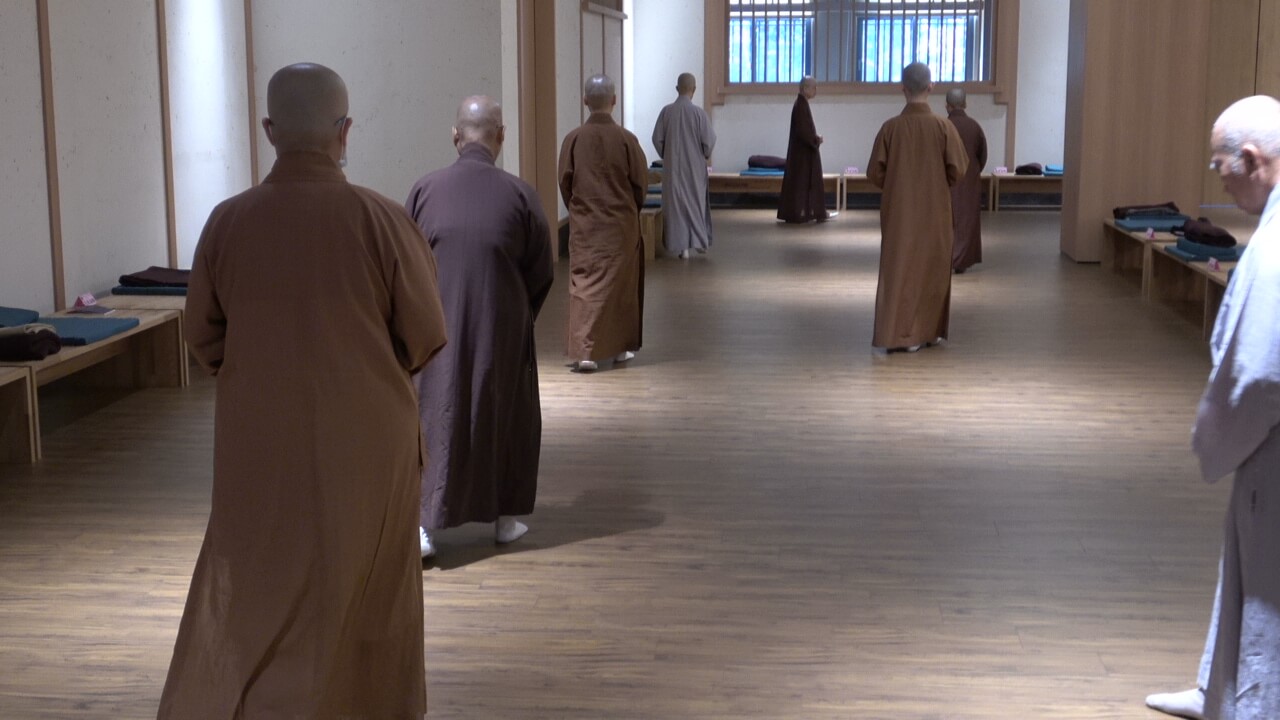
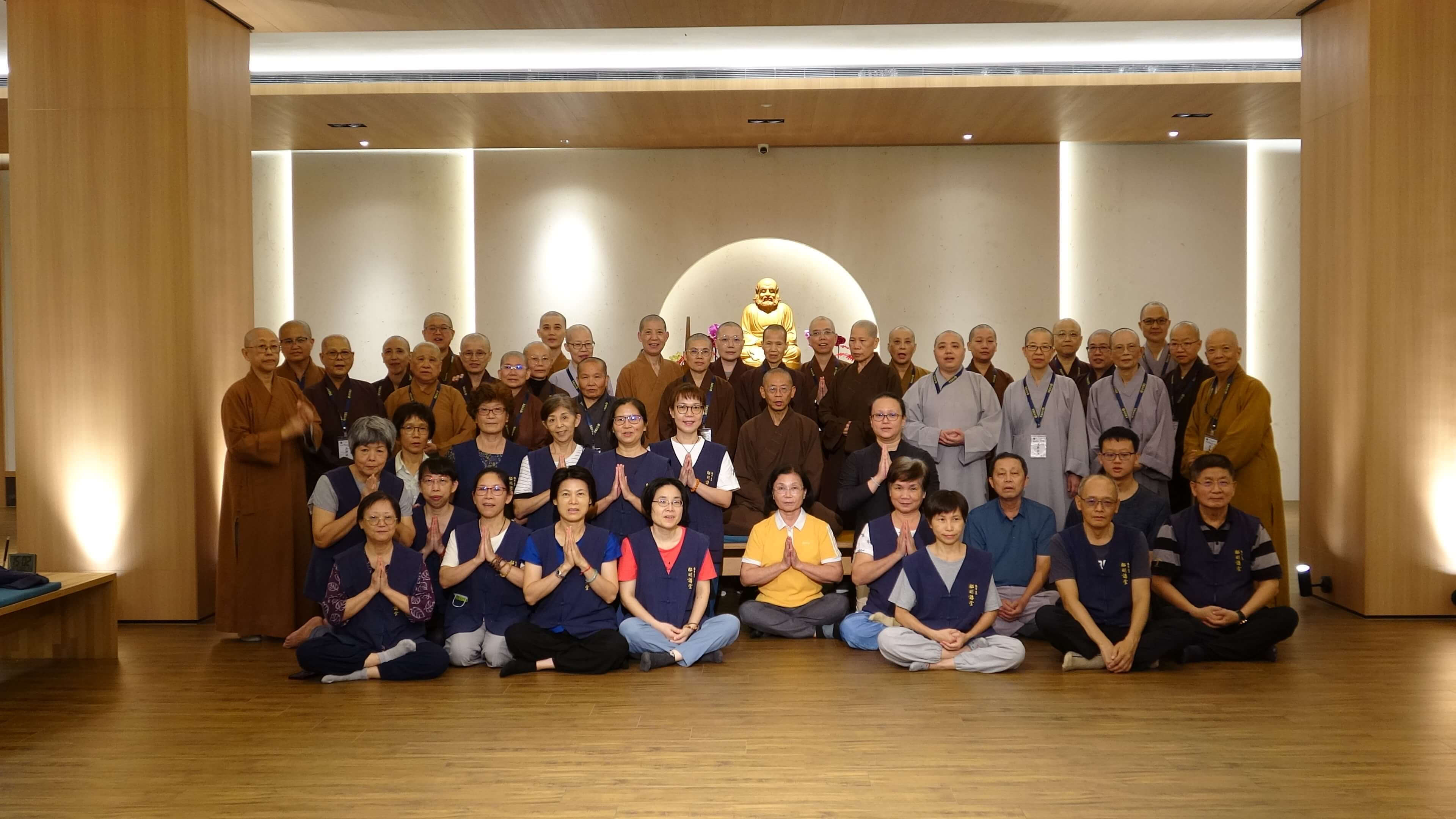
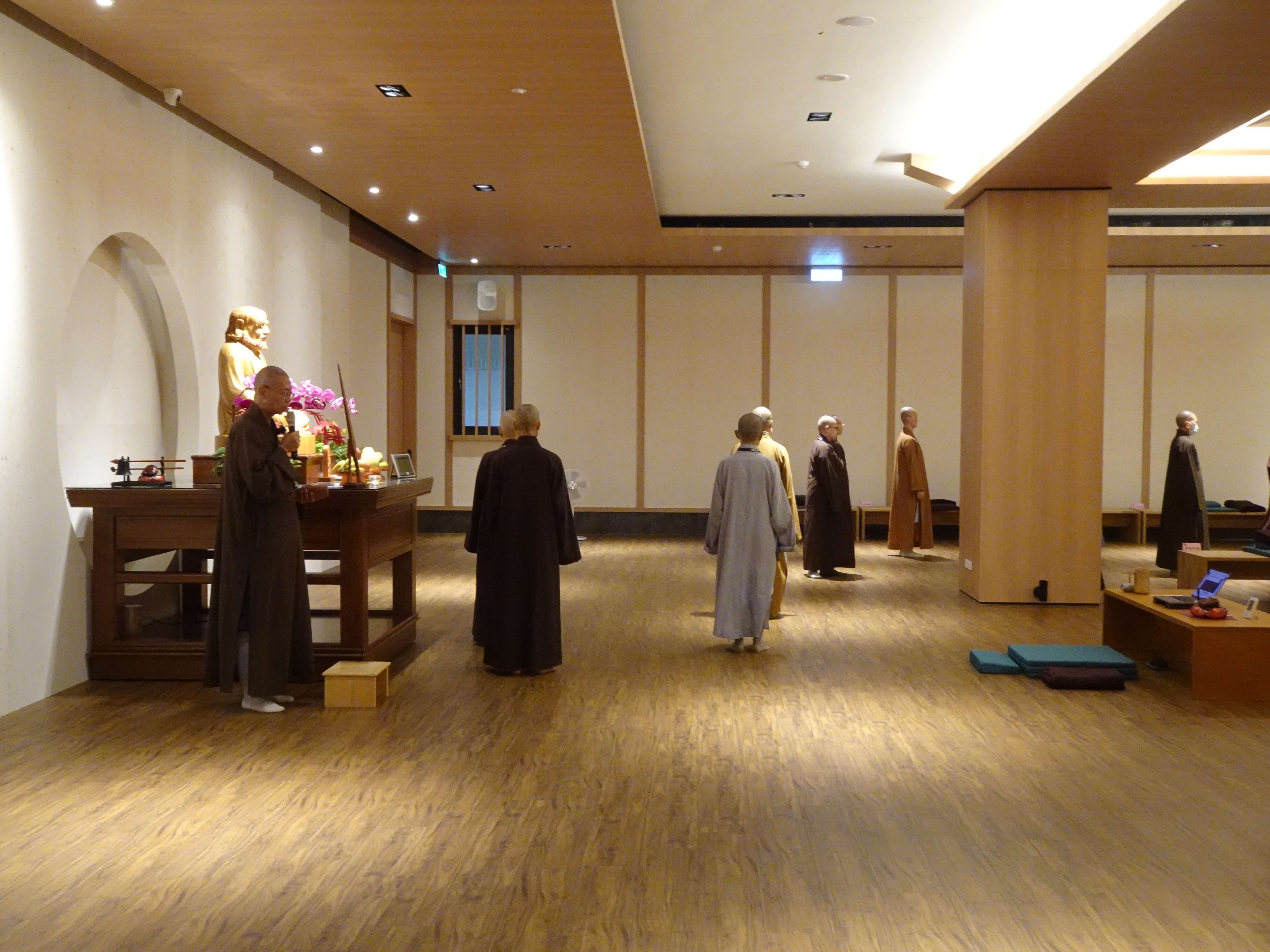
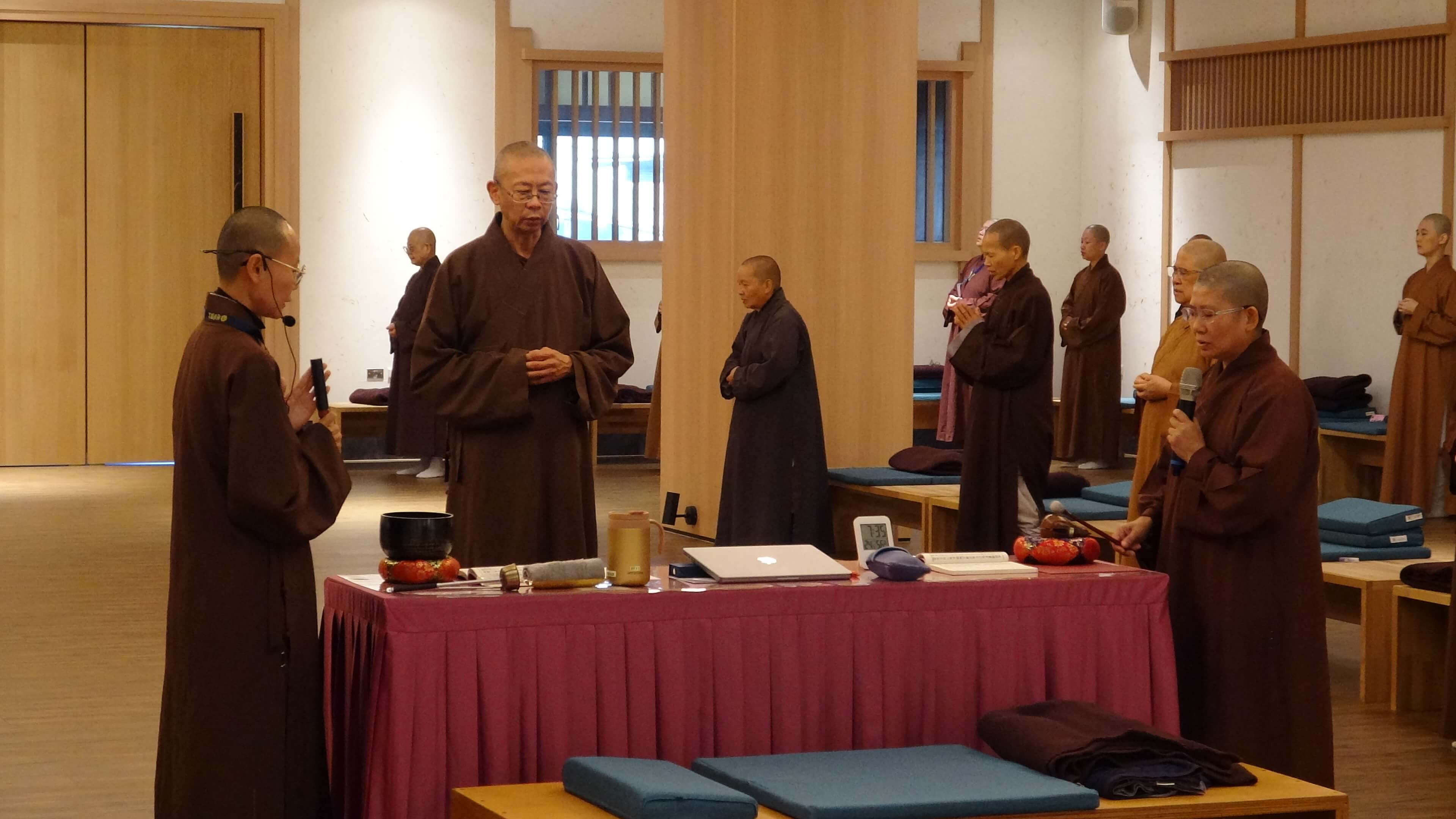
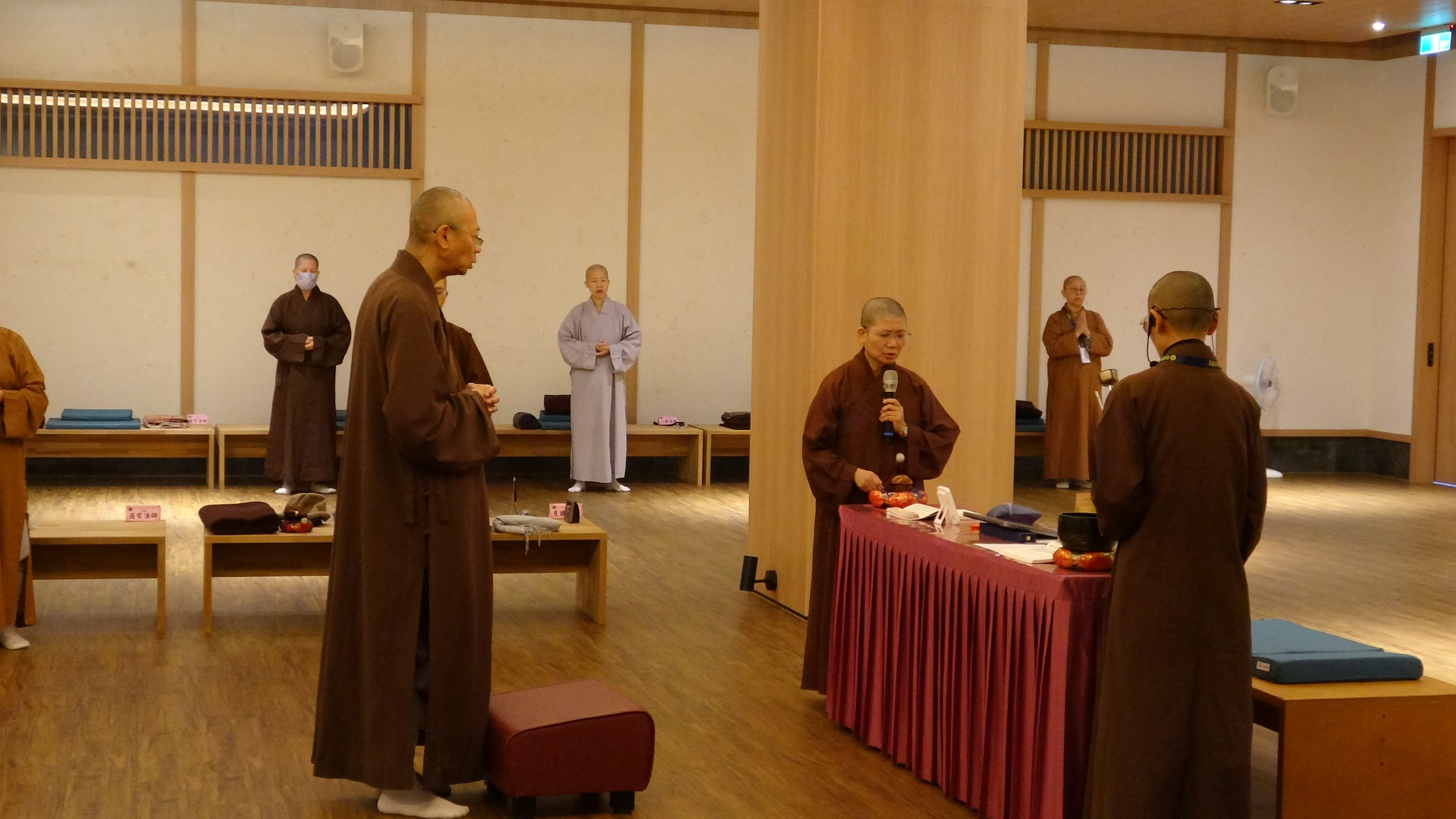
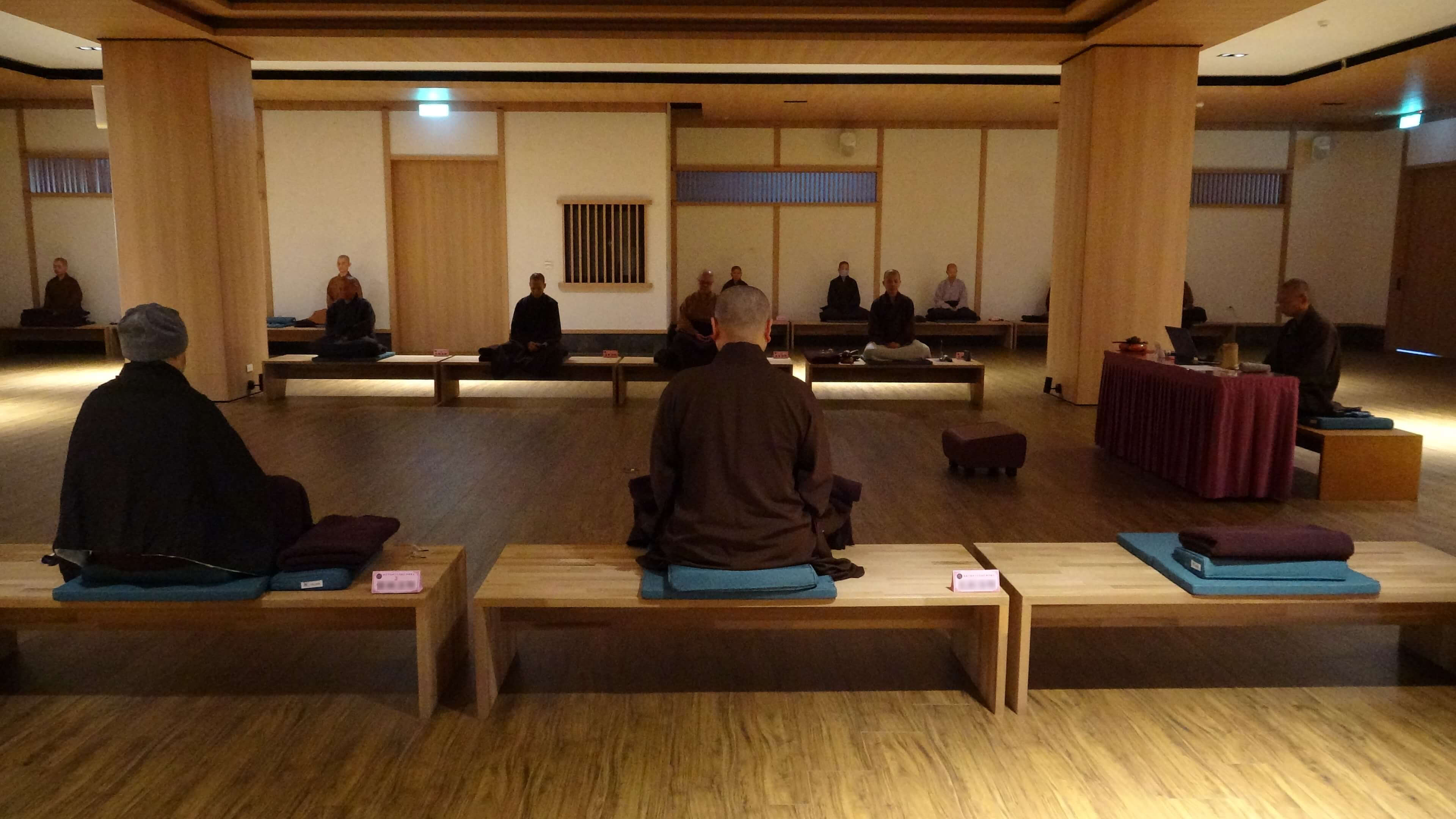
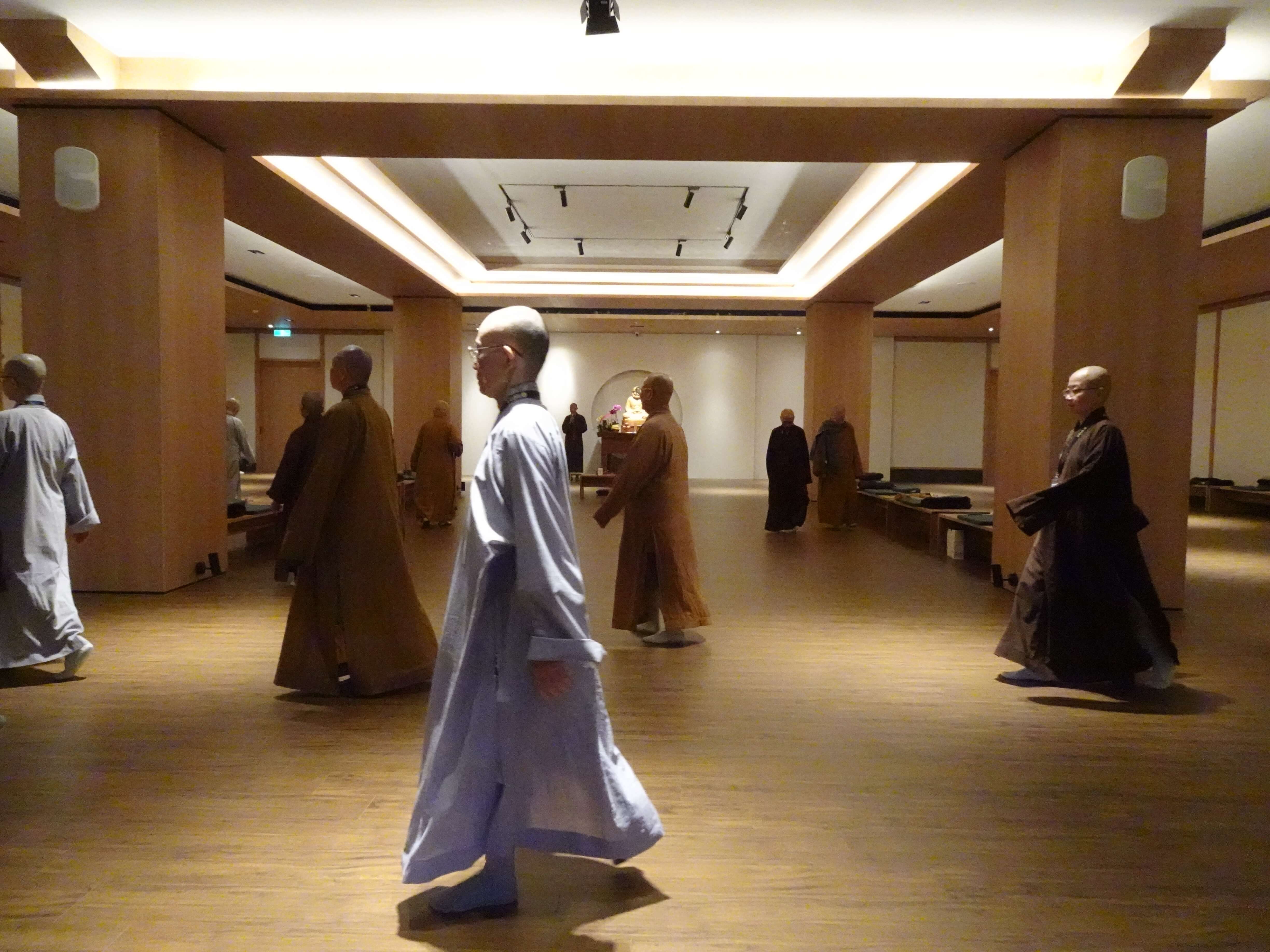
— The "Compassion Chan Meditation Monastic Retreat (慈悲禪觀僧眾研習營), by Prajna Dharma Taiwan Association (般若法航) and co-organized by Zhaoming Lecture Hall (昭明講堂), successfully concluded its five-day, four-night program from October 12 to 16, 2025 in Taoyuan. The retreat was specially designated as a "meditation workshop retreat" (禪修研習營), designed to guide monastics in re-examining and applying traditional compassion meditation from a Chan perspective.
The curriculum was rigorously structured around the Buddhist principle of integrating acquiring, absorbing, and cultivation (ABC, 聞、思、修). Jianhu Shifu, Abbot of Prajna Chan Forest, directed the retreat, focusing on the relationship between compassion, Chan cultivation, emptiness, and the Bodhisattva path.
Core Teachings: Awareness and Systematic Compassion
A central theme of the teachings was the foundation of meditation: differentiating between “knowing” (知), or pure, non-discriminating awareness (覺性), and “consciousness” (識), or the labeling, discriminating, judging, conscious mind. The goal of practice is to see through the fabrication of consciousness and return to pure knowing through clear awareness and continuous mindfulness.
The default meditation method utilized was Full-Body Awareness. Shifu emphasized that practicing compassion begins with self-compassion, defining the total acceptance of reality, including oneself as it currently is, without judging, as an act of compassion toward oneself.
The practice of compassion meditation progressed systematically, starting with self-compassion and expanding to three groups: relatives and friends, intermediate people, and antagonists (those who are hostile toward you). Contemplating antagonists requires cultivating patience and viewing them as trials for one's growth. This practice is key to advancing from the initial stage of compassion to the advanced stage of “compassion based on Dharma nature” (法緣慈), which is rooted in the wisdom of emptiness and non-self. The ultimate compassion is achieving Non-Affinity Great Compassion (無緣大慈), the state of the Buddha.
Retreat Outcomes and Spiritual Growth
Monastics praised the systematic organization and profound clarity of the teachings. Feedbacks included a clearer understanding and practical application of the difference between “knowing” and “consciousness”, successful application of core Chan principles such as "clear awareness" and "total acceptance". Several monastics noted the ability to use the contemplative methods to transform afflictions into wisdom when facing adversity or perceived harm. Overall, the retreat significantly increased the monastics' confidence in their path toward liberation. They resolved to integrate the learned practices of awareness and compassion into their daily conduct.